
Introduction
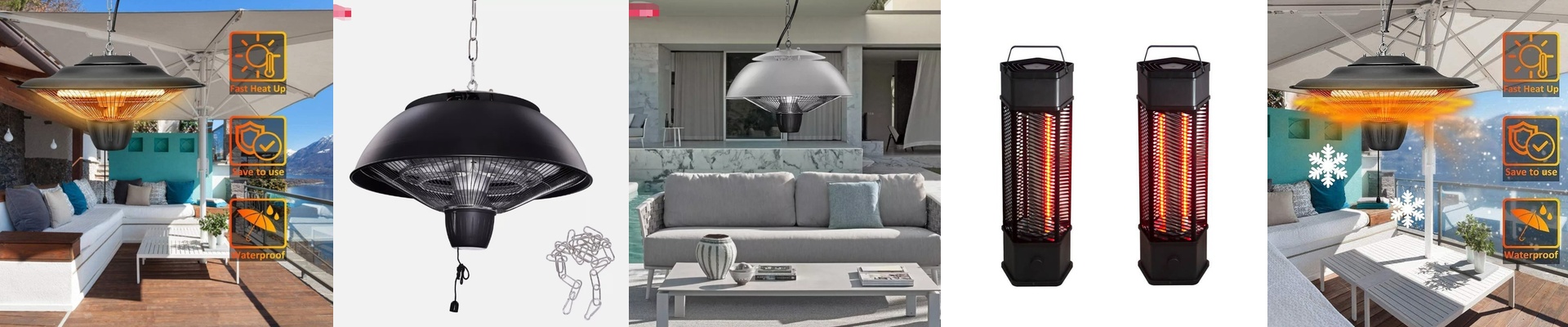
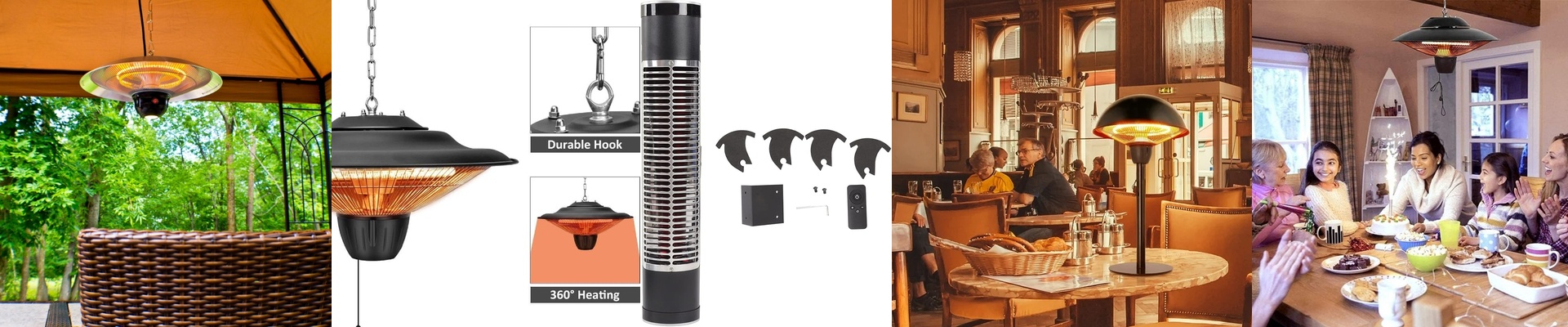
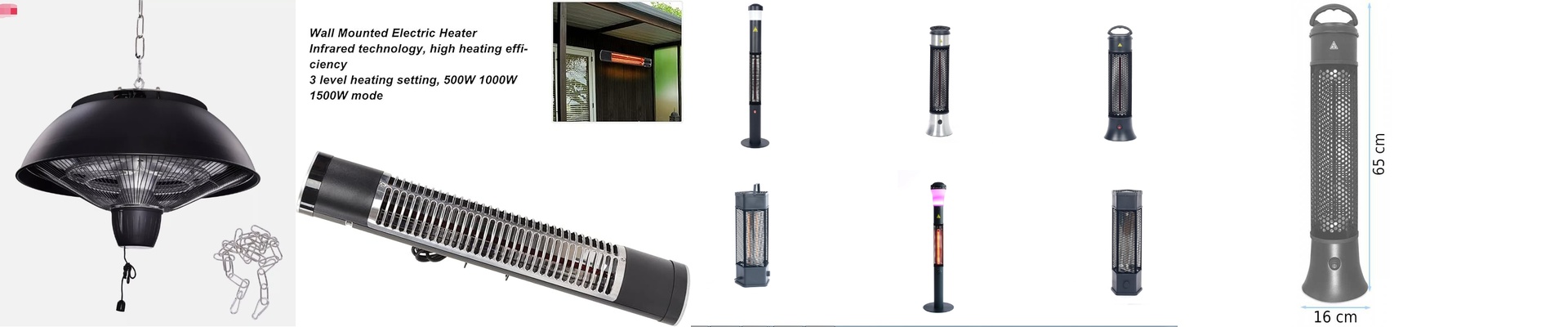
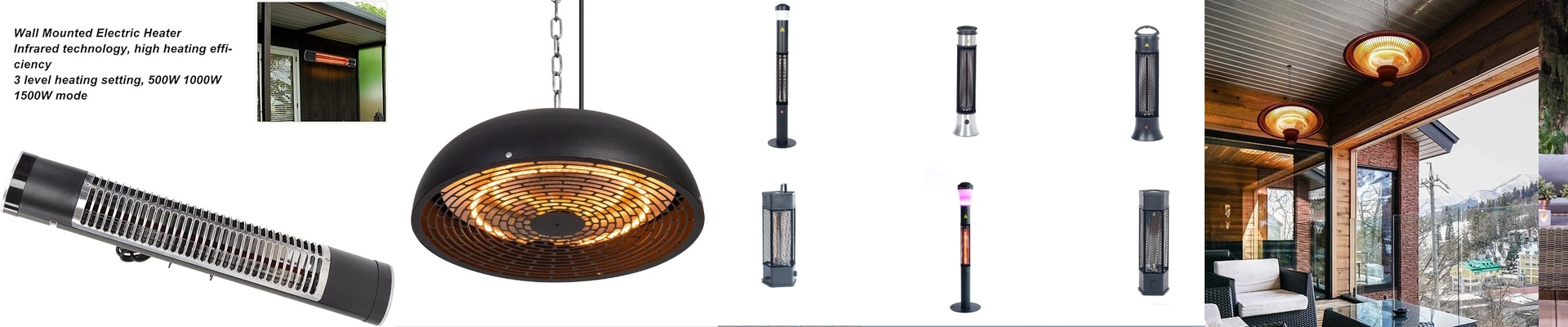
If you’re running a long-distance glass coating line, you know the drill. Digital printing is great, but it’s also a bit of a beast. One tiny temperature swing and you’re staring at ink defects or stress on the glass. So, we built a heating system that actually understands that pressure. It’s a zone-controlled infrared setup, designed for that specific environment. We use shortwave IR emitters to blast in focused energy—fast and precise. The result? You get to run a perfect curing curve, end to end, without the guesswork.
The Power Behind the Process
Let’s get into the guts of it. The heart of the system is the shortwave infrared tube. We typically spec these at 400V and 2500W, packed into a 300mm length. That’s a lot of heat in a small space. And it’s exactly what gives you that rapid ramp-up and instant response. Going with 400V also helps you out on the electrical side. It lowers the current load on the wiring, which means you save on copper costs and your cabinet layout stays cleaner. But here’s the thing—that much power density creates heat. A lot of it. So if your line is running non-stop, your cooling has to be up to the task. Plan on budgeting for some serious forced air or even a liquid cooling setup.
Built to Last, Built to Swap
We chose a quartz envelope for the tube. Why? Because it just handles the heat shock better. It stays stable, even when you’re cycling it on and off like crazy. The reflector is coated to focus all that energy straight ahead. That keeps stray heat from drifting over and messing with the next zone or any nearby sensors. And when a tube finally burns out, you don’t want a full-blown production to stop. The R7s connector is an industrial-grade, direct fit. It’s a simple drop-in. So you can swap out the bad tube and get back to work without tearing anything down.
The Payoff: Curing That Just Works
On a glass line, ink cures fast, but it needs a steady hand on the temperature. With our zone-controlled heaters, you can map out different power levels all along the line. The first zone knocks out the solvent. The middle zone locks in the ink. And the final zone sets the coating without scorching the glass. It means you cut down on rejects from under-cured prints and you never have to worry about hot spots warping the material. And if you need to scale up? Just add more zones, tweak the power, and keep that line moving at full speed.