

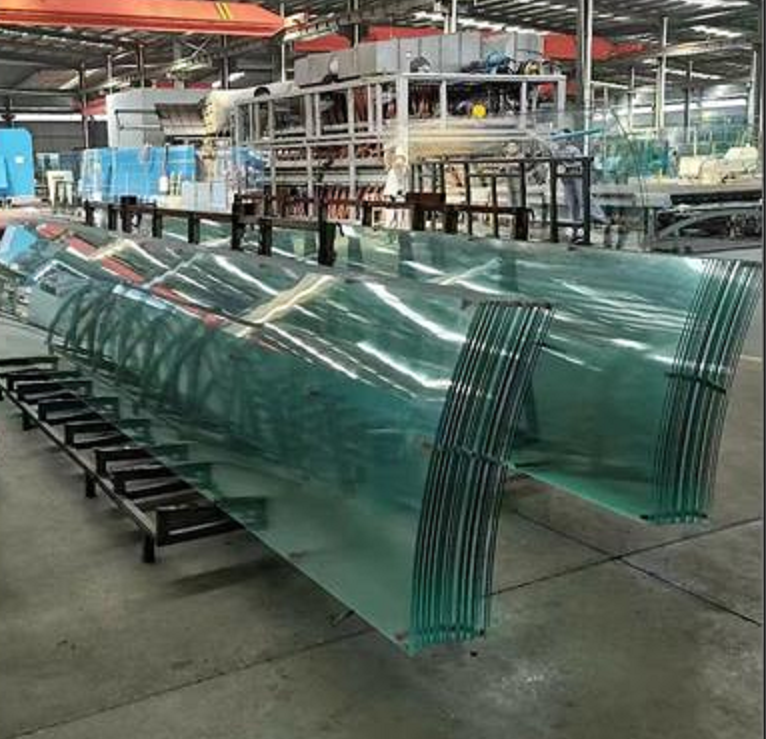
On the bending line, furnace temperature isn’t just a setpoint — it is the process. Let the thermal field drift, and you’ll see inconsistent radii, optical distortion, and glass that fights the mold. That means rework, scrap, and schedules that slip. We design the heating system around the furnace temperature profile so the bend stays predictable, cycle after cycle. What matters technically We spec the heating module around high-emissivity quartz elements and NIR output, matched to how glass absorbs energy in the bending range. The result is direct, fast energy transfer with a control response you can trust. The hardware is chosen for what plants actually face: 208–480 V input flexibility, a compact footprint for retrofits, and termination options that line up with your busbars and connectors. Temperature uniformity comes from zoned layout and controlled convection, so the glass sees a stable thermal environment instead of hot and cold spots that drive thermal stress. Why it holds up in production On a bending line, the furnace temperature has to recover fast after loading and stay steady through the soak. Our module recovers quickly, cutting idle time between loads. That boosts throughput without forcing the glass outside its working window. Keep temperature control consistent, and bend geometry stays within tolerance while the risk of thermal shock drops. Yield improves, and fewer parts end up needing rework or getting scrapped. Energy use stays tight because heat is delivered on demand, not dumped into the chamber mass. What to watch for Installation is straightforward on most furnace designs, but the furnace temperature setpoint and control strategy have to align with the element rating. Expect a short commissioning window to dial in zone balance and avoid overshoot. In high-humidity environments, protect terminations and insulation. The elements are tough, but the surrounding hardware needs dry, clean conditions. Plan for scheduled inspections — even the best heating system performs best when it’s maintained like any other plant asset.