
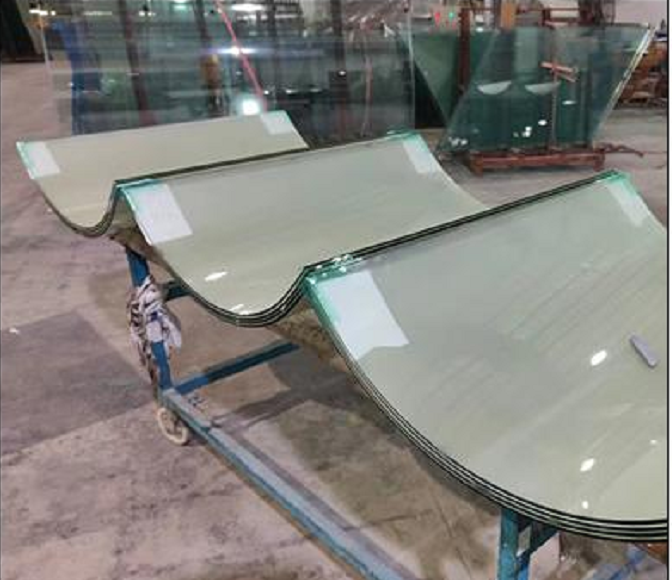
On the floor, annealing is where glass gets its discipline. One hot spot, one cold zone, and thermal stress shows up as fractures, edge warp, or optical distortion. That’s why the industrial annealing oven has to deliver a repeatable, even thermal field—shift after shift, batch after batch. What actually matters under the hood We build the oven around controlled, uniform heating. High-emissivity elements are matched to the chamber geometry so heat spreads evenly across the load and keeps temperature gradients down. Airflow is managed to cut stratification, so the glass surface and the edges ride the same soak profile. The control strategy holds setpoint with tight tolerance, so the lehr curve runs as programmed—no surprises, no compensation drift. Here’s the payoff in real glass processing: uniform heating is how you cut rejects. When the thermal field is balanced, stress relief happens predictably, so you get fewer breaks during cutting, edging, and downstream handling. Optical clarity stays consistent because uneven expansion doesn’t set up birefringence. You end up with flatness you can count on and dimensions that don’t wander, which keeps downstream lines moving. The oven also delivers repeatable cycles, so scheduling stays solid and changeovers stay quick. A few practical notes when you integrate these ovens. Placement matters. Keep the inlet and outlet sealed so cold air doesn’t leak in, and make sure conveyor speed lines up with the soak time you need. Dense loads can shadow heat flow—we size air turnover and element layout to compensate, but the cleanest results come from matching oven capacity to your typical load density.