

On the bending line, scrap rarely shows up as one dramatic failure. It shows up as warp, as optical distortion, as glass that cracks right in the forming stage. Every pane you scrap is material down the drain, furnace time burned, and labor that didn’t add value. More often than not, the root cause is heat—uneven distribution, slow response, and drift that pushes the glass outside its allowable stress window.
What matters, technically
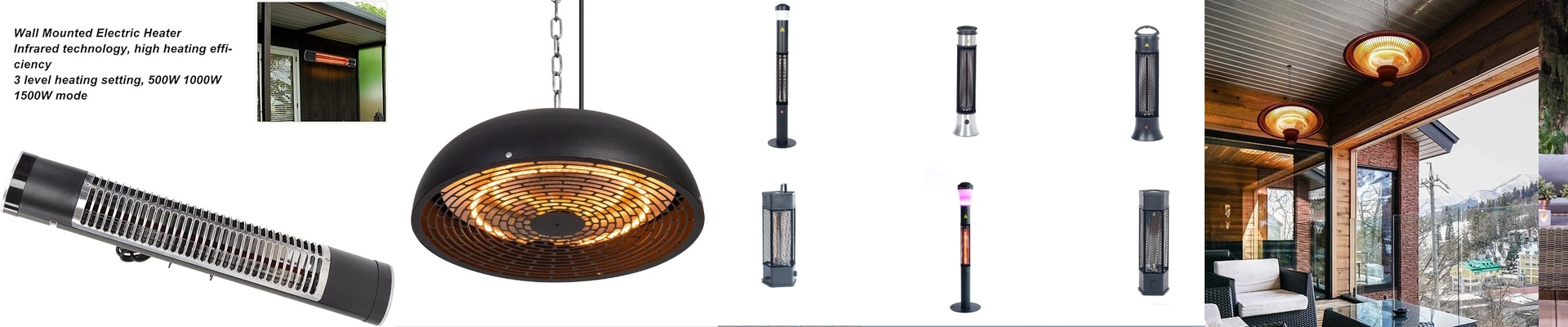
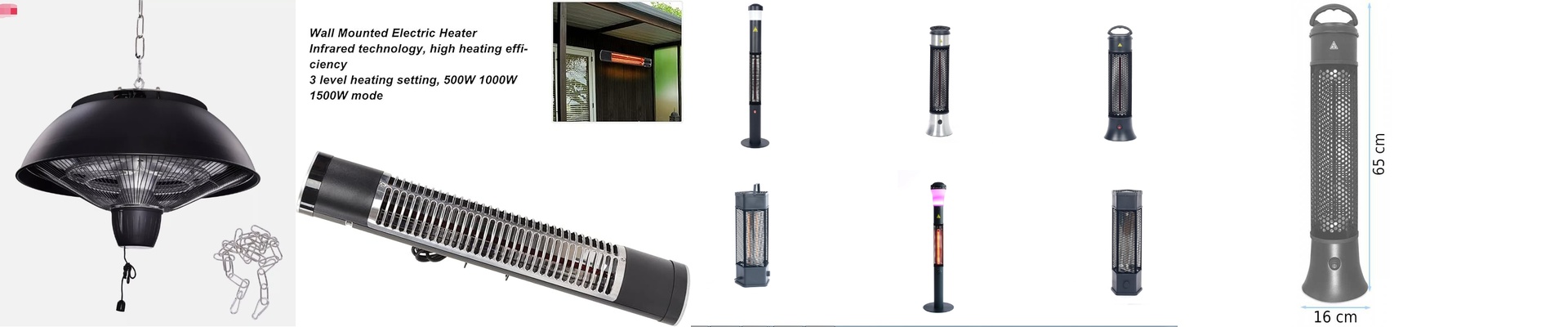
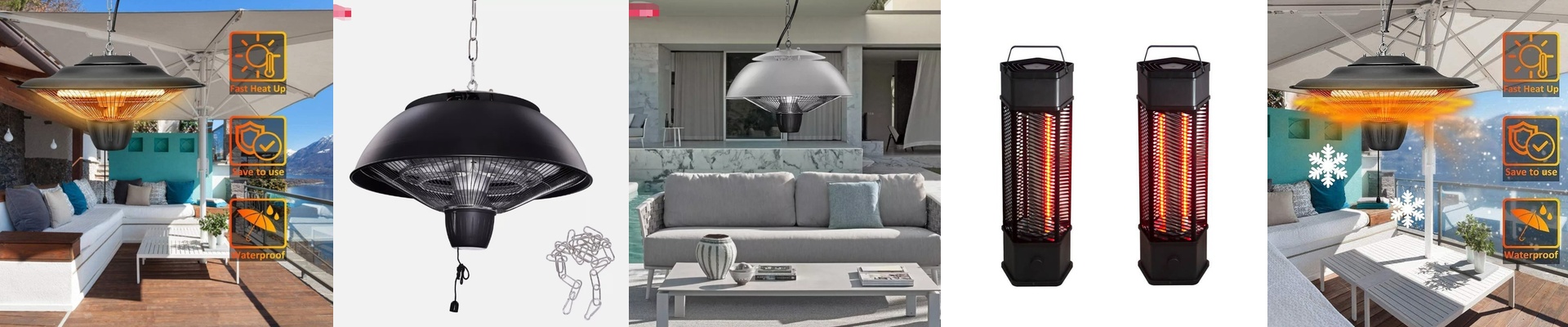
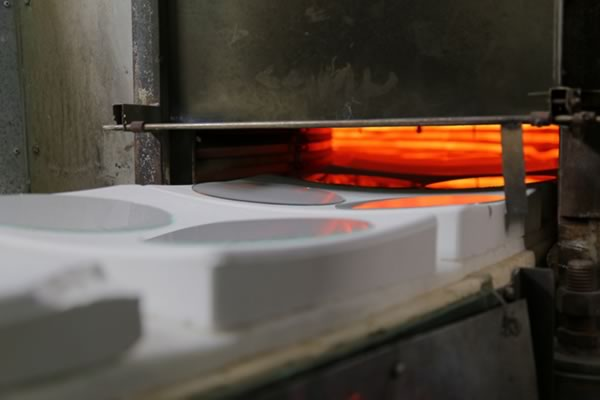
We set up the heating module with medium-wave infrared emitters tuned to the glass emissivity, so the energy goes into the sheet, not the air around it. That gives you a fast, controllable ramp that shortens cycle time without overshoot. The emitter layout is arranged to create a uniform thermal field, which minimizes edge-to-center temperature spread and keeps bending predictable across the whole surface. The hardware is built for industrial duty: solid terminals, standardized mounting, and stable output when the line runs 24/7.
Why this approach works in bending
Bending demands repeatable temperature to hit repeatable shape. With tighter zone control, the first pane and the hundredth pane see the same thermal profile. That cuts rejects from thermal stress fractures and inconsistent curvature. Faster heat-up shortens dwell, which boosts throughput. Lower energy per cycle brings operating cost down. On the floor, that translates into fewer reworks, fewer off-spec sheets, and a more consistent yield.
What you need to know up front
This is a direct-fit upgrade for many OEM bending ovens, but the wiring and mounting have to match your machine footprint and control interface. Clearance to the glass path, plus local convection, can influence performance, so commissioning should include a thermal profile check. Once it’s aligned, the module runs with minimal maintenance—but it still needs the same disciplined calibration schedule as any heating system.