
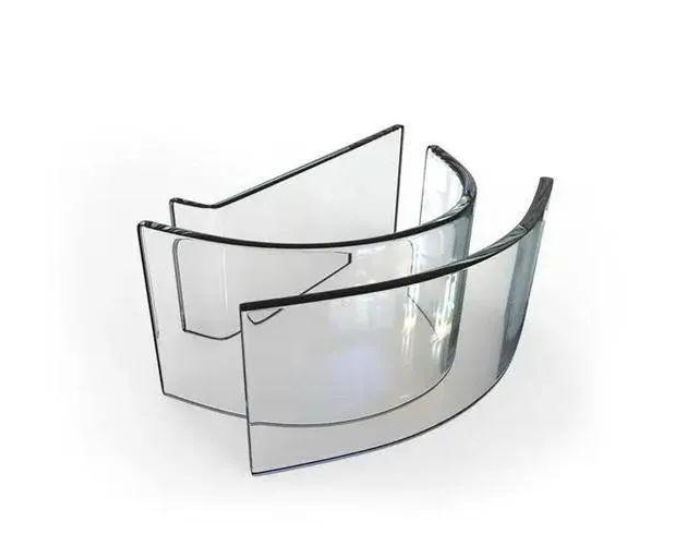
On the aerospace glass line, the bending cycle doesn’t forgive mistakes. Temperature drift shows up as optical distortion, and uneven heating turns into scrap right after the quench. When the lamp underperforms, you pay for it in rework, missed schedules, and lost material. What matters, technically We built the aviation glass bending lamp around a quartz short-wave infrared (IR) design. It couples energy straight into the glass, with minimal convection. That gives you fast, controlled heating and a tight thermal envelope. The output is calibrated for rapid ramp rates and stable holding, so the profile repeats shift after shift. Emitter geometry and reflector layout are set to produce a uniform thermal field, cutting down edge-to-center differentials that drive stress and warp. Terminals, lead lengths, and mounting interfaces match industrial fixtures, so it drops in as a direct replacement in most bending stations. Why it works in this application Aerospace glazing has to deliver repeatable shape and optical clarity. With this lamp, you get faster heat-up, shorter dwell, and tighter control right at the critical bending window—without hot spots that cause waviness or bird-caging. That means higher first-pass yield and fewer optical rejects. Energy use comes down because the lamp delivers heat on demand, with fast response and low idle losses. In production terms: more parts per hour, less scrap, and a process that stays inside the window required for certified aerospace glazing. Here are the practical details The lamp is sensitive to clean surfaces and correct alignment. Keep emitter faces and reflectors free of dust and residues, and verify focal distance after a relamp or maintenance—misalignment shows up as banding. Operating voltage has to match the supply; mismatched voltage shortens emitter life and pushes the thermal profile off-spec. Plan for routine checks, and you’ll get consistent heating with predictable maintenance intervals.