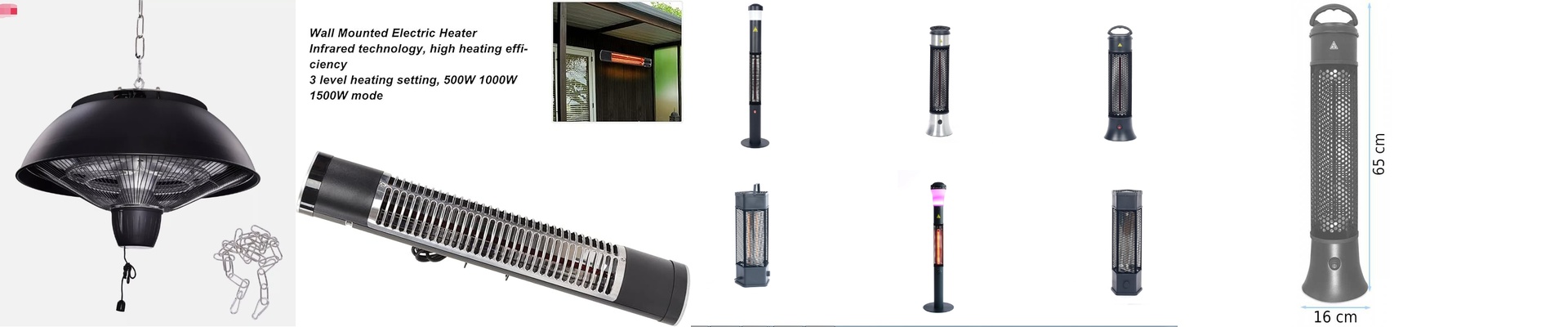
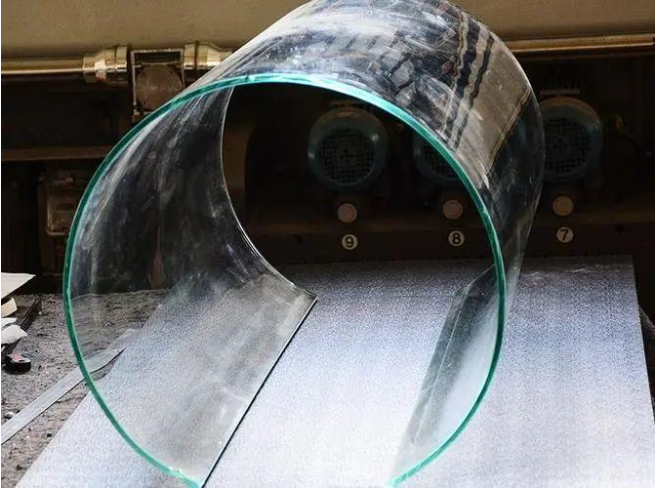
On the line, bending comes down to one thing: holding the thermal window steady. If the profile slips, you pay for it—optical distortion, edge wave, or the worst: thermal stress fractures that take the whole pane down. Convection ovens fight you with lag and uneven heat. We built our glass bending infrared heaters to take the guesswork out and put repeatable heat where it matters. What matters under the hood We run short-wave infrared with quartz tubes because they snap on and off fast, and you can hold tight control. The radiant output hits glass emissivity head-on, so the surface picks up heat quickly and the body follows with a minimal gradient. Power density is tuned to match typical bending stations, and the heater body stays compact enough to drop into existing frames without tearing the machine apart. Output stays stable even when line voltage swings, and the element design keeps hot spots off the glass. Here is why it holds up in real production: you see it in cycle time, scrap, and uptime. Heat-up is fast, so you can compress bending cycles without giving up soak uniformity. In practice, that means fewer stress cracks during forming and less optical haze from uneven sag. The same module can also pull double duty—preheat for tempering, and support for curing in lamination—so you can standardize heating zones across more than one process. Energy use drops because you only heat when the process calls for it, not when the oven mass is idling. A couple of shop-floor realities. Infrared is line-of-sight, so part geometry and fixture shadowing matter. We size the array and map the pattern to match the bend envelope. Installation is straightforward on most bending lines, but mounting tolerances have to be nailed—heater position directly drives temperature uniformity. And in high-cycle, high-moisture areas, expect shorter element life. Plan your maintenance windows, and keep spare mounts on the shelf.