Stop Losing Money Every Time the Temperature Drops
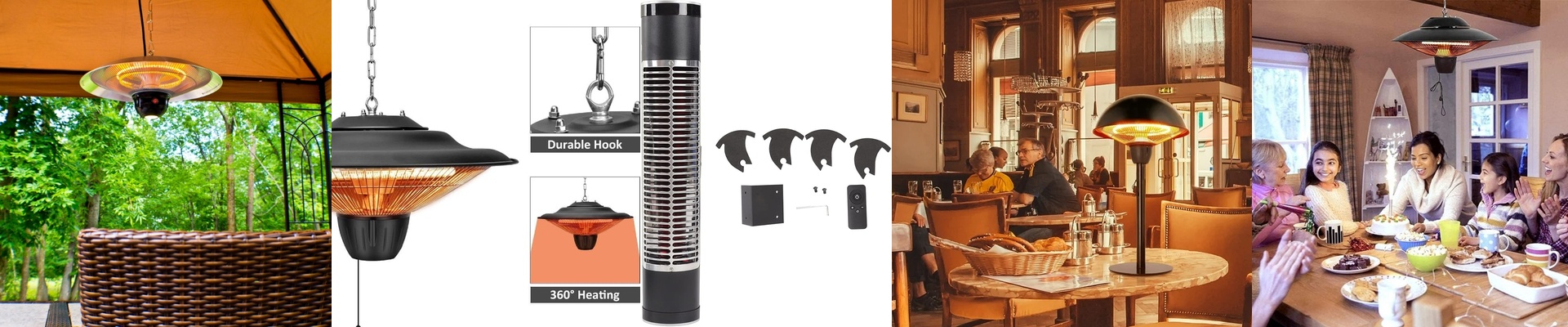
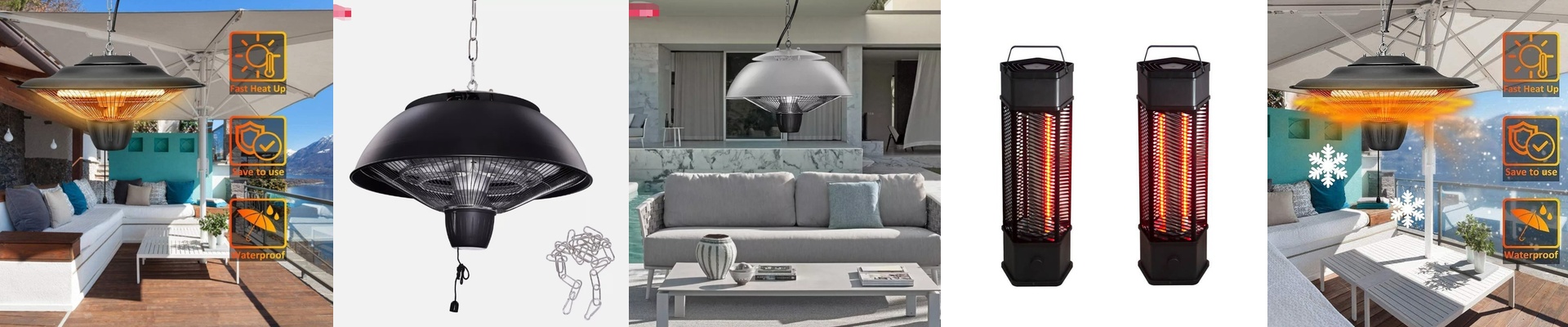
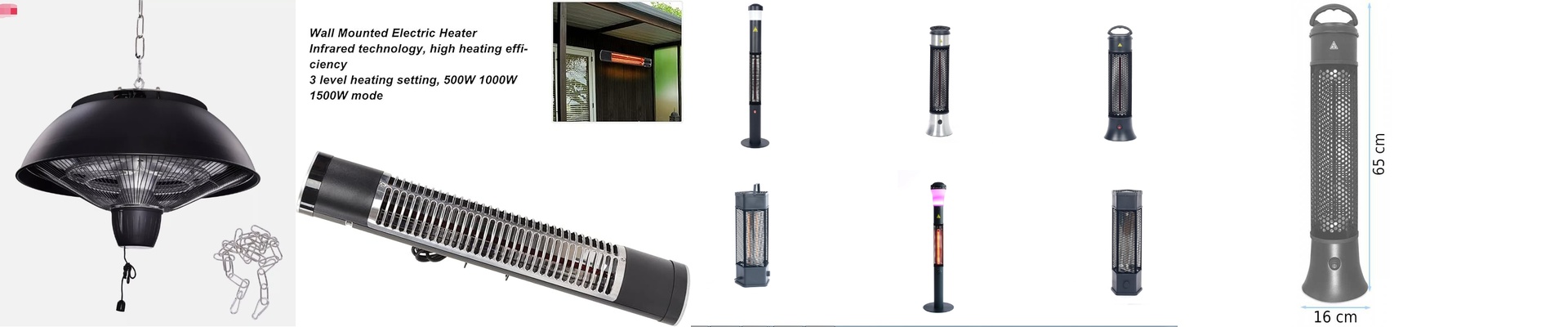
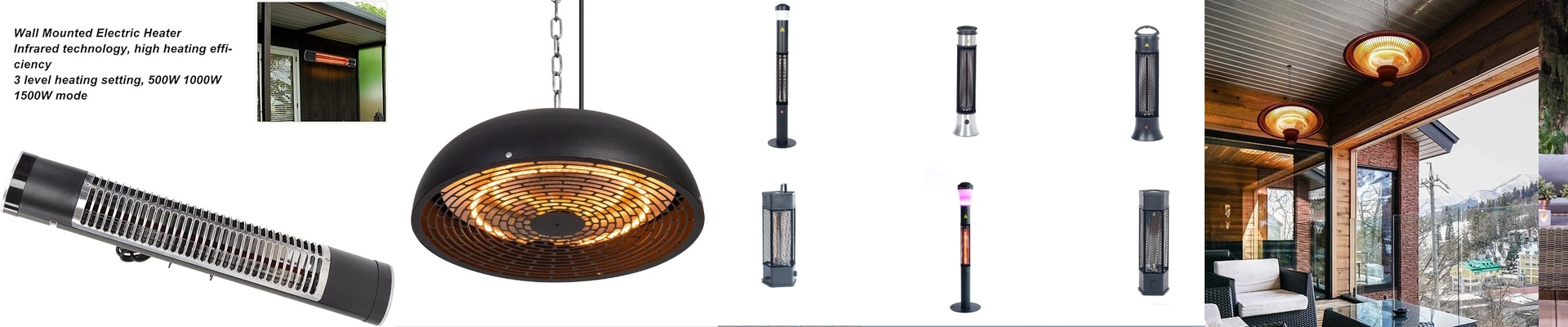
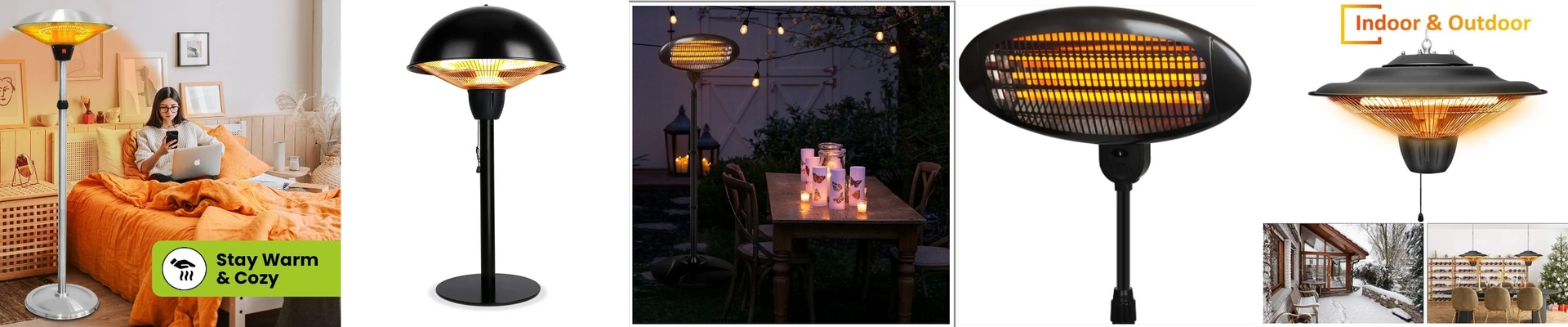
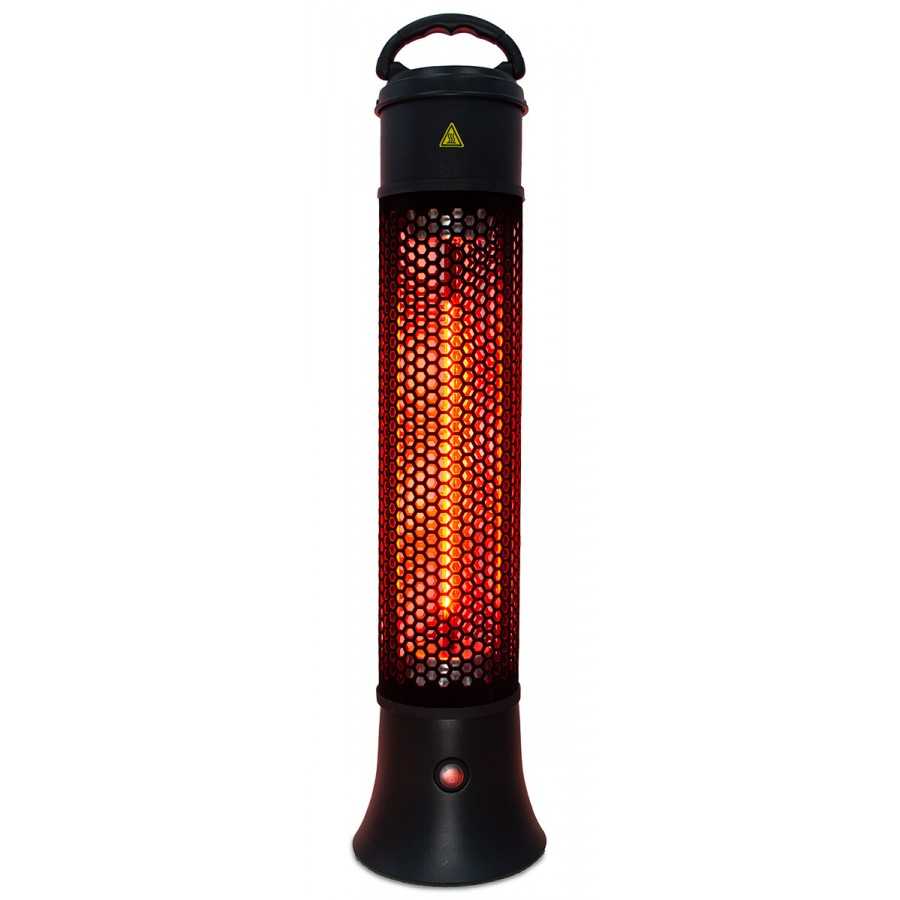
It’s a nightmare for any restaurant owner: you’ve got a beautiful patio, but the second a chill hits the air, those tables go empty. You’re basically paying rent on a space that nobody wants to sit in. We fix that by tucking infrared heaters right into your ceiling. Now, forget those loud, blowing-air heaters. Those just try to heat the wind, which—let’s be honest—is a waste of money. Infrared is different. It sends heat straight to your guests and their chairs. It feels like sitting in the sun on a spring day, even when it’s freezing outside. How the magic actually works We build these units to sit flush with your ceiling. Because they use short-wave technology, we can mount them high up without losing that “cozy” feeling. The heat cuts right through the cold air and hits the target instantly. No more “cold zones” where guests are shivering halfway between the ceiling and the table. You can actually fill every single seat, regardless of what the weather app says. The nitty-gritty stuff (and where people mess up) Here’s the thing: these systems pack a punch, which means they need some serious power. We use heavy-duty reflectors to push that warmth down in a tight cone, but you’ve got to make sure your electrical panel can handle it. If your wiring is old or not up to code, you’re going to trip a breaker right in the middle of the Friday night dinner rush. Trust me, that’s a conversation you don’t want to have with a full house. We usually suggest dedicated circuits for every four units just to keep things safe and steady. Why this actually matters for your bottom line When people are warm, they linger. They order that extra round of drinks or a dessert they weren’t planning on. When you kill the “shiver factor,” guests don’t rush inside or cut their night short. You aren’t just buying some hardware; you’re basically adding more usable square footage to your restaurant during the worst months of the year. Just a heads-up on the install: get your measurements exactly right. If the cutouts are off, you’ll end up with ugly gaps that leak heat and look sloppy. Once they’re in and wired up, they’re pretty much set-and-forget. Just keep the reflectors free of grease and dust, and you’re golden.