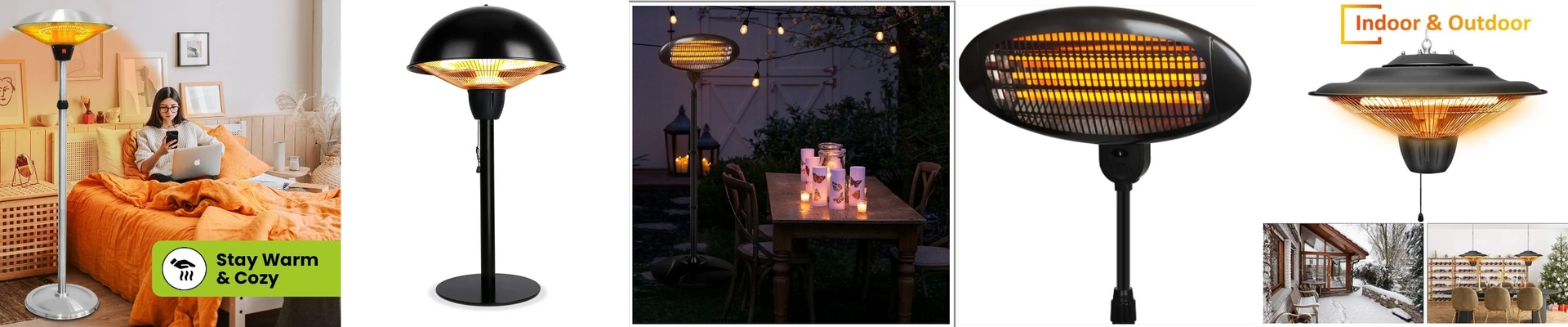

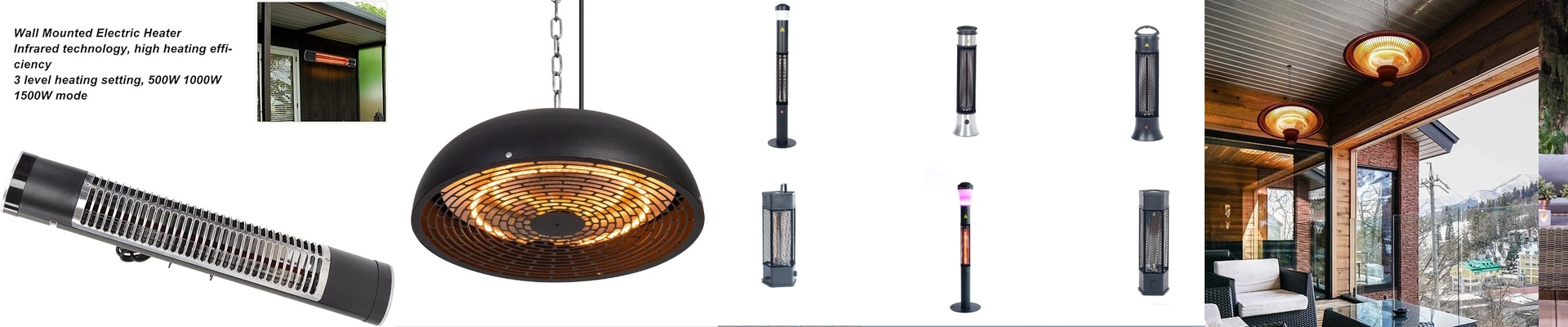
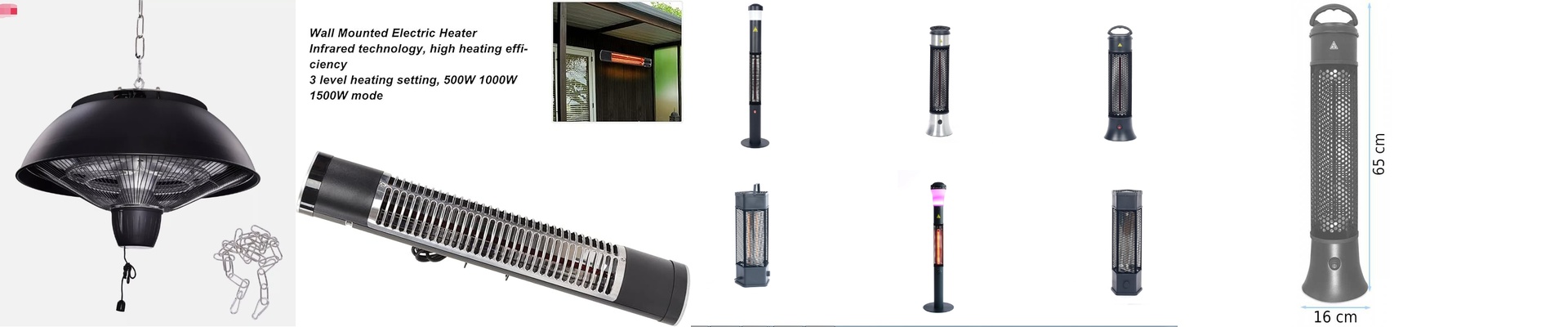
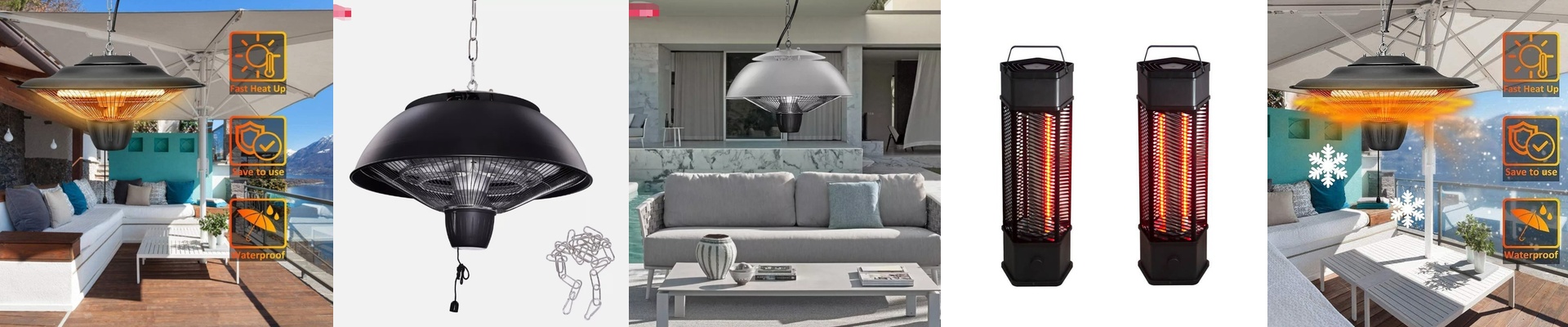
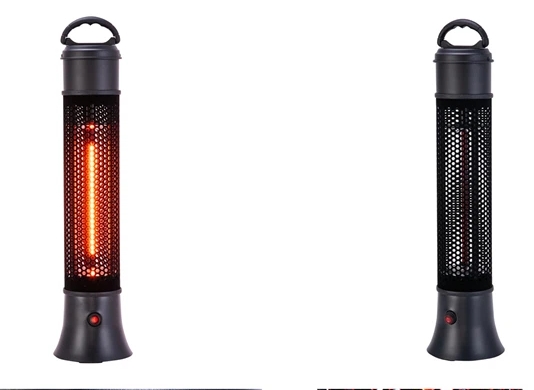
Why we built our 1500W ceiling heaters to be modular
Let’s be honest: most outdoor heaters are designed to be thrown away. They’re usually built as these sealed, untouchable boxes. The second a heating element burns out after a few winters, the whole thing becomes an expensive piece of scrap metal. You can’t fix it, so you toss it. We hated that. So we did something different. We built our 1500W gazebo heaters with a modular setup.
The thinking behind it
To get 1500W of heat without the quartz tube overheating and snapping, you need a very specific balance of voltage and surface area. Instead of soldering everything together, we put the heating element in its own replaceable module. We basically separated the “brains” (the electrical housing) from the “muscle” (the part that actually wears out). Here is why that matters for you: If your heater needs a tune-up five years from now, you aren’t spending your Saturday rewiring your ceiling. You just pop out the old module and drop in a new one. It turns a few hours of electrical frustration into a five-minute swap.
Dealing with the elements
Outdoor life is rough on infrared tubes. Between the dust buildup and the constant heating and cooling, the filaments eventually give up. With a standard heater, replacing a lamp is a nightmare. You have to tear apart the whole chassis, and it’s way too easy to accidentally scratch or ruin the reflectors. Our system uses quick-connect interfaces. You just slide the module out, wipe the dust off the reflector, and slide a new one in. Simple.
The trade-offs
I want to be upfront about the compromise here. Because we use these connectors instead of hard-wiring everything, the unit is a little bit bulkier. The chassis has to be slightly larger to fit the locking mechanism that keeps everything secure. There’s also a tiny bit more resistance at the connection points. We fixed that by using high-conductivity alloys in the terminals—this keeps the heat where it belongs (radiating down) and stops it from creeping back into your wiring. You get a slightly larger heater, sure. But in exchange, you get a tool-less replacement process that saves you a massive headache down the road.