

Why We’re Swapping Out Bathroom Heat Lamps for Infrared
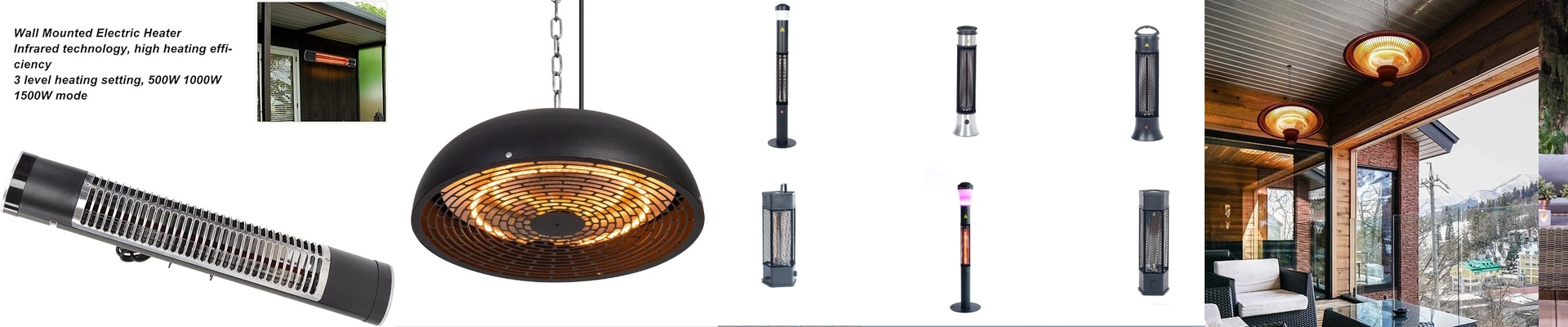
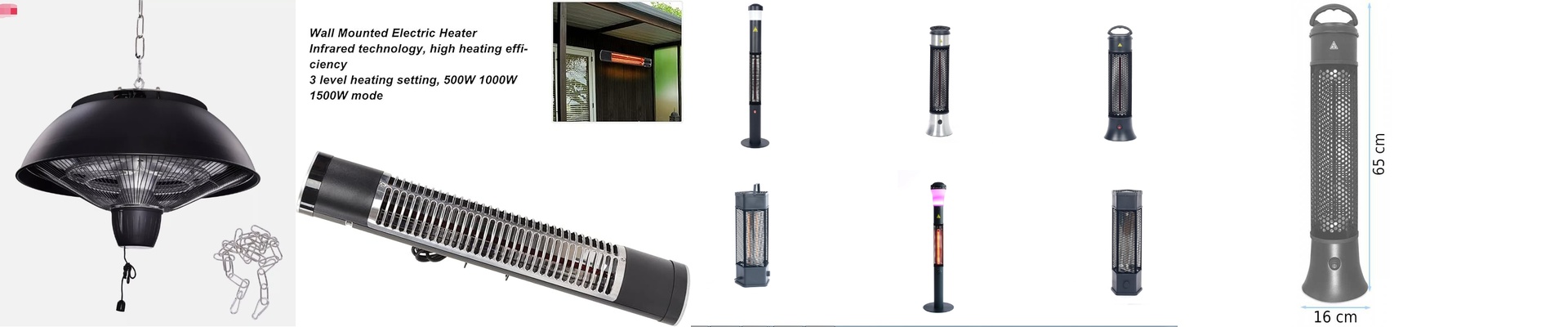
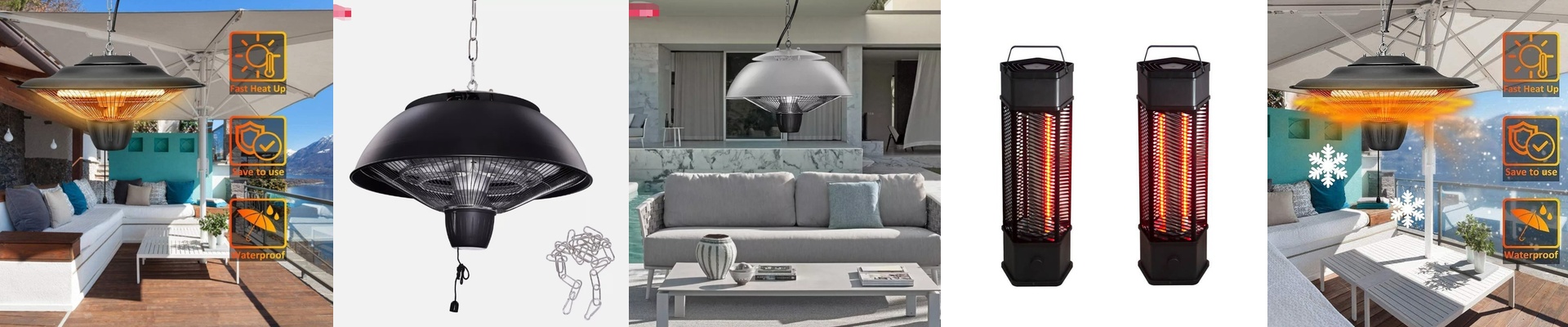
Let’s be honest: those old-school light-bulb heaters just aren’t cutting it anymore. If you’ve ever stepped out of a steaming shower only to realize your heater is barely doing anything—or worse, it’s flickered out for the third time this year—you know exactly what I mean. The problem is the steam. Bathrooms are brutal on electronics. All that humidity creeps into the wiring, corrodes the terminals, and eventually kills the filament. It’s a recipe for a short circuit. That’s why we’ve started moving toward ceiling-mounted infrared heaters with high IP ratings. The secret is in the seal. Think of an IP rating as a shield. It keeps the steam and moisture out of the electrical guts of the machine. While a regular heater tries to warm up the air (which just drifts away toward the ceiling), infrared goes straight for you. It’s that immediate, cozy warmth on your skin the second you flip the switch. Inside, these units usually use quartz tubes. We make sure those tubes are sealed tight. If a tiny bit of water gets past the seal, the tube can crack or the contacts can rust. A high IP rating means you can have a room thick with steam and not worry about the thing quitting on you. A few things to keep in mind for the install. You can’t just plug these into a wall outlet; they need their own dedicated circuit. We always suggest hard-wiring them into a switch that’s built to handle moisture. Now, there is a bit of a trade-off. To get that heavy-duty waterproofing, the casings have to be thicker and the seals denser. This makes the unit a bit heavier and bulkier. Don’t skim on the mounting. Make sure your Ceiling joists or brackets can actually hold the weight. If the mounting is too flimsy, the unit will start to sag over time as it heats up and cools down. Nobody wants a heater drooping over their head in the shower. Why bother with the switch? It comes down to power. Those old lamps give off a soft glow, but the actual heat is pretty weak. Infrared packs way more punch per square inch. It’s fast. Really fast. And for anyone planning the layout, it means you get more heat without needing a massive piece of equipment taking up all your ceiling space.