Why Your Infrared Heaters Keep Dying (and How IP55 Fixes It)
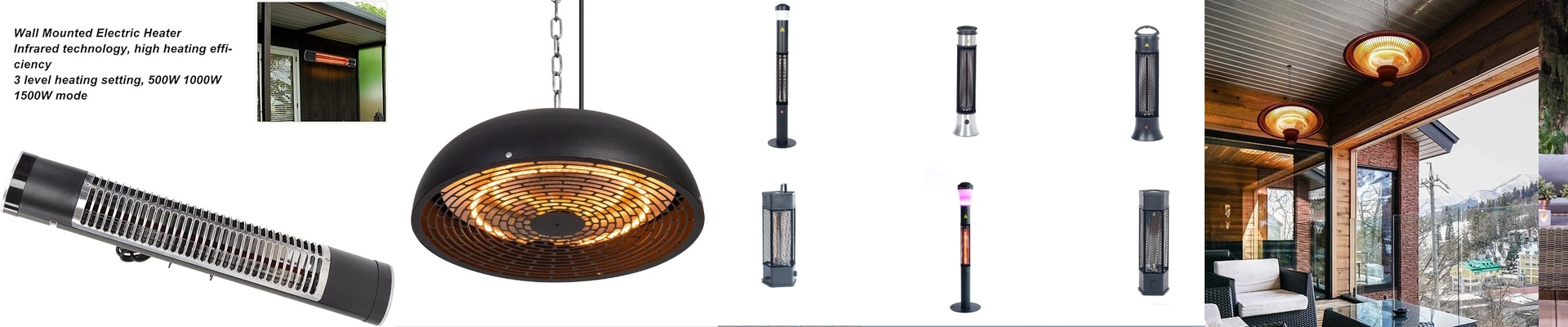
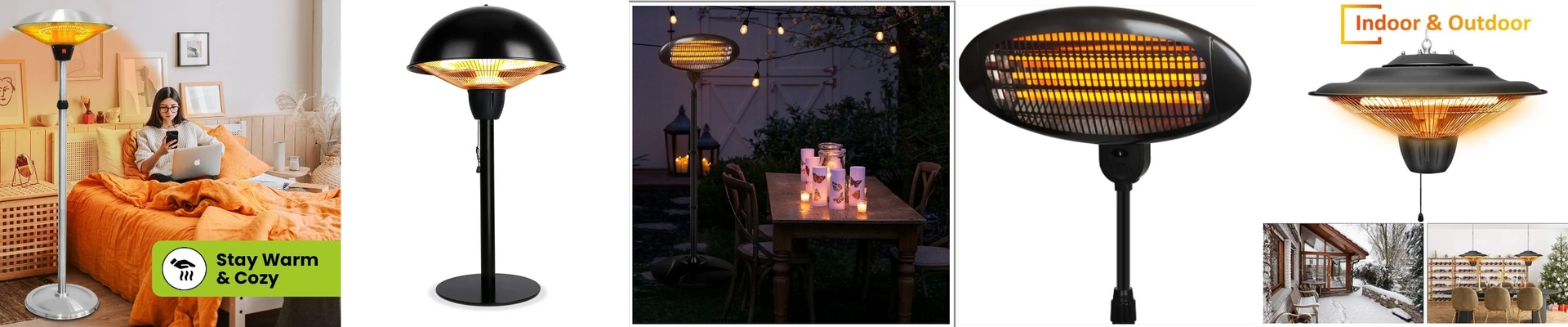
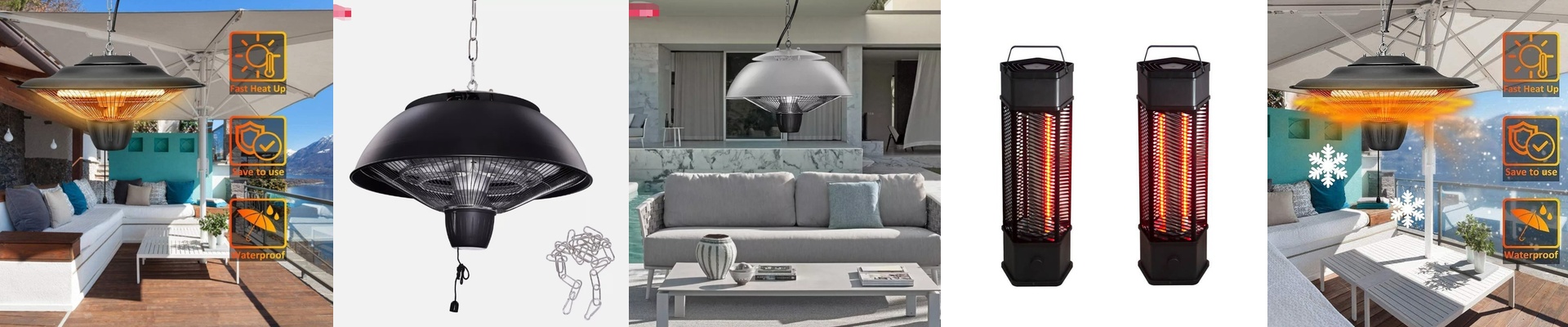
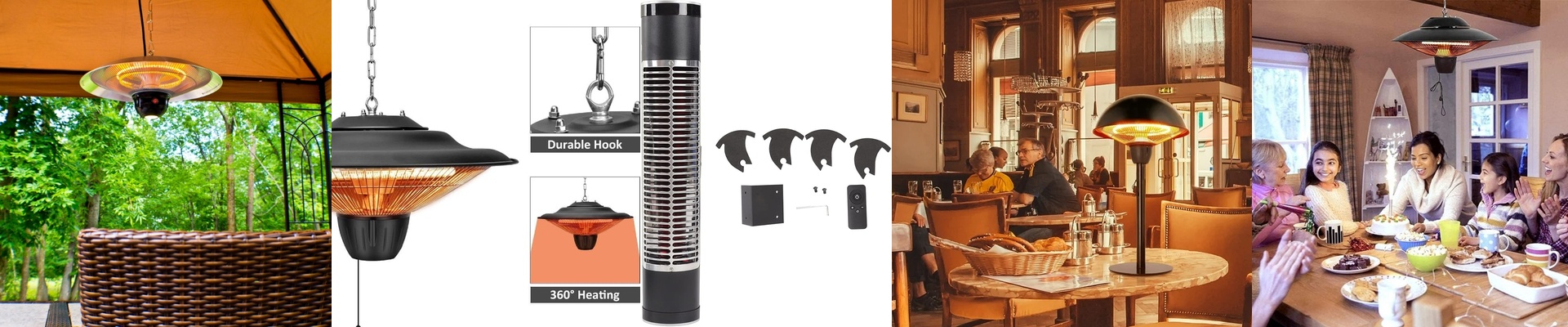
If you’ve ever run infrared heaters in a place that gets misty or wet, you already know the drill. They work great for a while, then suddenly—pop—they’re dead. Moisture creeps into the housing, shorts out the guts, and eats away at the heating elements. It’s frustrating, and it’s expensive. That’s exactly why we built our table heaters with an IP55 rating. We wanted to stop those failures before they even happen. What does IP55 actually mean for you? Forget the technical jargon for a second. Basically, the first “5” means dust can’t get in. The second “5” means the unit can take water jets from pretty much any angle without breaking a sweat. We did this by using heavy-duty sealed gaskets and reinforced housing. It keeps the fog and splashes away from the electrical core, which means you don’t have to worry about condensation settling on high-voltage terminals and burning the whole thing out. Building it to last Waterproofing isn’t as simple as just wrapping a heater in plastic. If you do that, you’ll trap the heat and fry the electronics. We spent a lot of time on the seals. They block the moisture but still let the unit breathe enough so it doesn’t overheat. We also shielded the infrared emitters. This is a big deal because it stops a cold drop of water from hitting a scorching hot surface and cracking the lamp from thermal shock. The honest trade-offs Look, nothing is perfect. Adding this level of protection makes the heaters heavier and a bit bulkier. These aren’t “toss them in a bag” portable units. Also, because the housing is sealed tighter, the inside runs a little hotter than those open-frame heaters you might be used to. Just make sure whatever surface you’re mounting them to can handle a bit of conductive heat. A few tips for the install Here’s the thing: the heater is only as good as the wiring. If you use standard open wiring, you’ve basically canceled out the IP55 protection. Use moisture-resistant conduits to keep the whole connection safe. And if you’re putting these in a place with heavy steam, keep an eye on the lenses. Every now and then, give them a quick wipe-down. If minerals build up on the glass, they’ll block the heat, and you won’t get the performance you’re paying for.