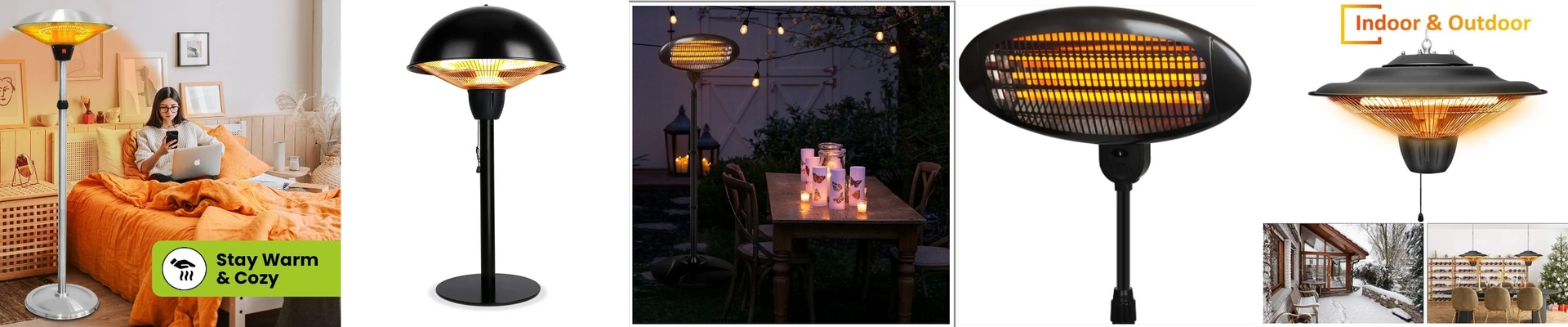
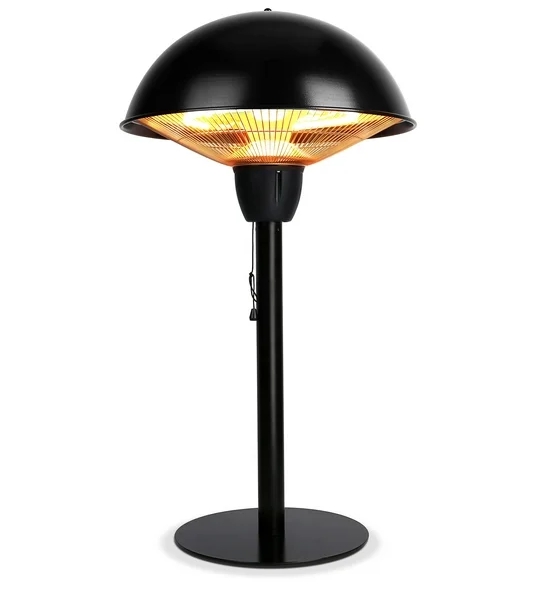
Stop Tearing Down Your Heaters Every Time a Bulb Blows
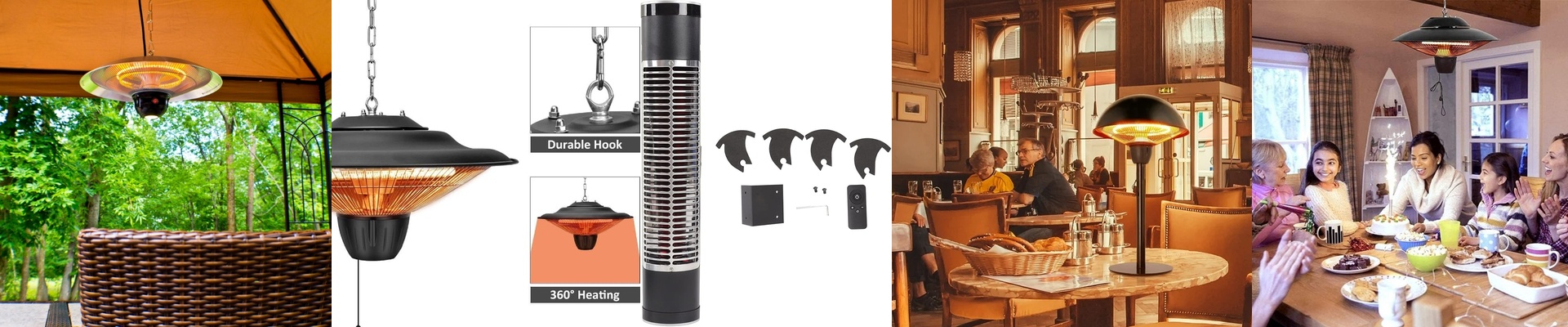
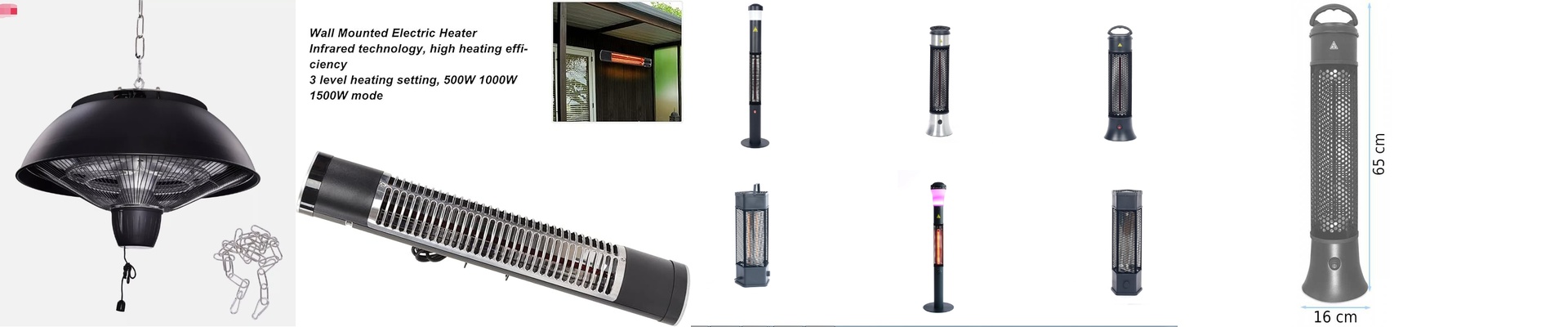
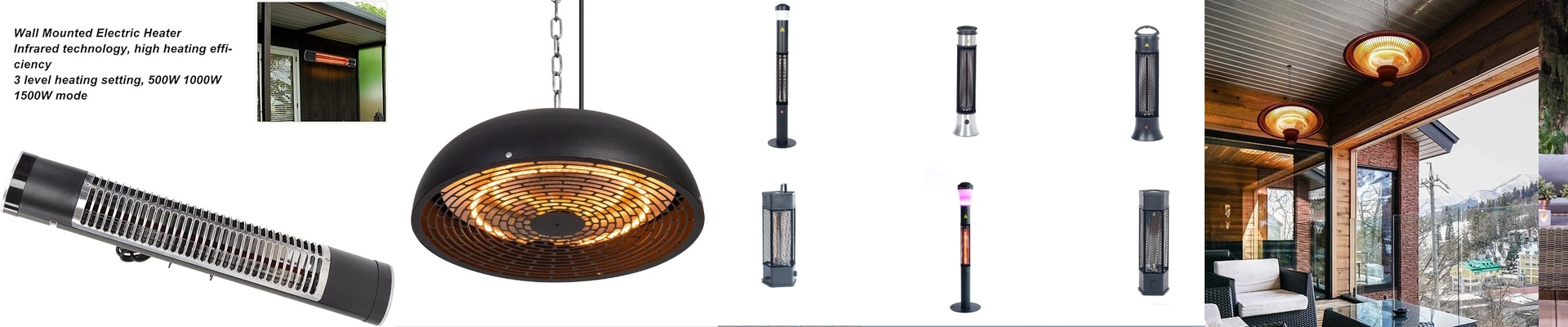
Most infrared heaters are built like a solid block. Which is fine, until a heating element burns out after a few years. Then, your technician has to basically gut the machine just to fix one part. Production stops. Hours are wasted. It’s a headache nobody needs. That’s exactly why we built our waterproof table heaters to be modular.
The “Swap and Go” Logic
Here is the thing: heating elements are consumables. They’re going to wear out eventually. In a typical setup, the wiring is buried deep in the chassis. To fix it, you’re rewiring the whole machine. We did things differently. We separated the heating module from the main power. So, if a tube fails five years from now, you don’t need a toolkit and a prayer. You just pull the old module out and drop a new one in.It turns a nightmare repair into a simple swap.
Keeping Water Out (Without Melting the Brains)
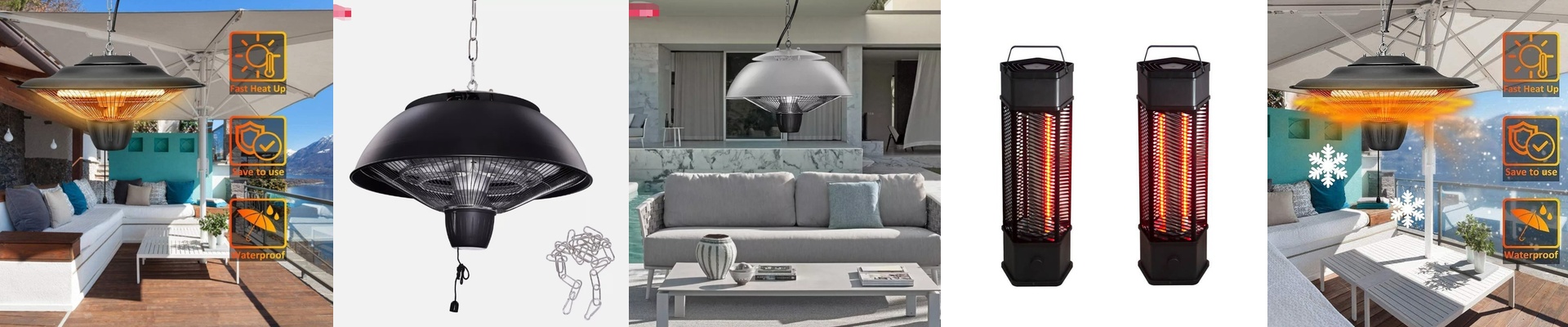
Making something waterproof while it’s pumping out massive heat is tricky. We use sealed gaskets and moisture-resistant housings so you can use these in industrial wash-down areas without worrying about a short circuit. But there’s a catch—sealing everything tight can trap heat inside. To stop the control electronics from frying while the heater is cranking, we spent a lot of time dialing in the internal airflow. It keeps the “brains” cool while the element does the heavy lifting.
The Real-World Stuff
Now, modular systems are a dream for maintenance, but they aren’t magic. They require a bit of precision. The connectors have to seat perfectly. If they’re loose, you get voltage drops or arcing. And a word of advice:**don’t go cheap on replacement tubes.**If you buy off-brand parts that aren’t the exact right size, you’ll ruin that waterproof seal, and then you’re back to square one. We design for the “five-year window.” When the quartz or halogen element finally gives up, the frame is still solid. You swap the element, double-check your seals, and get the line moving again. No overhaul required.