Making Your Outdoor Heaters Actually Smart
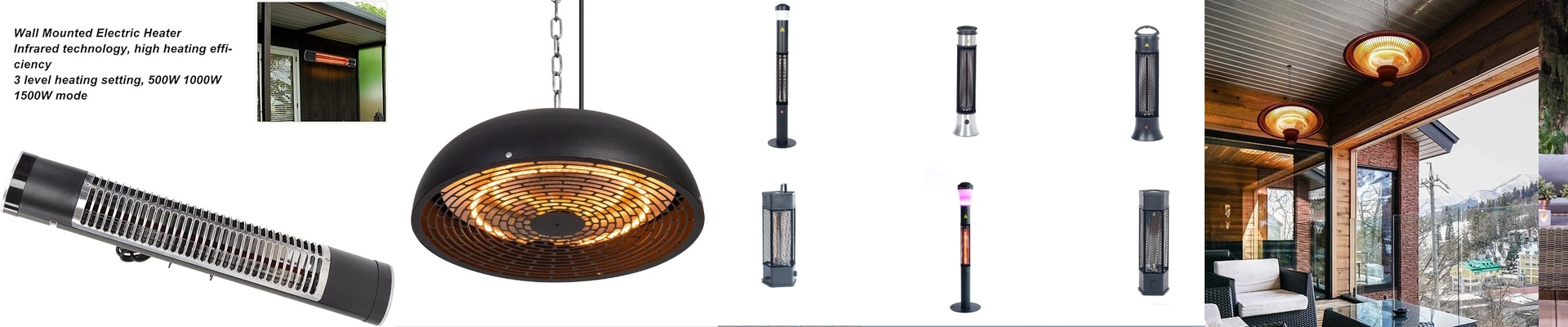
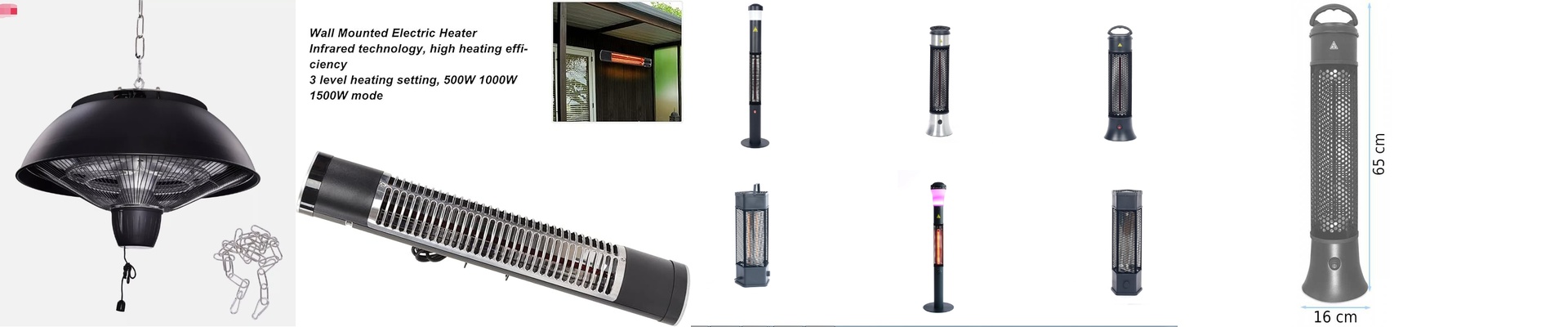
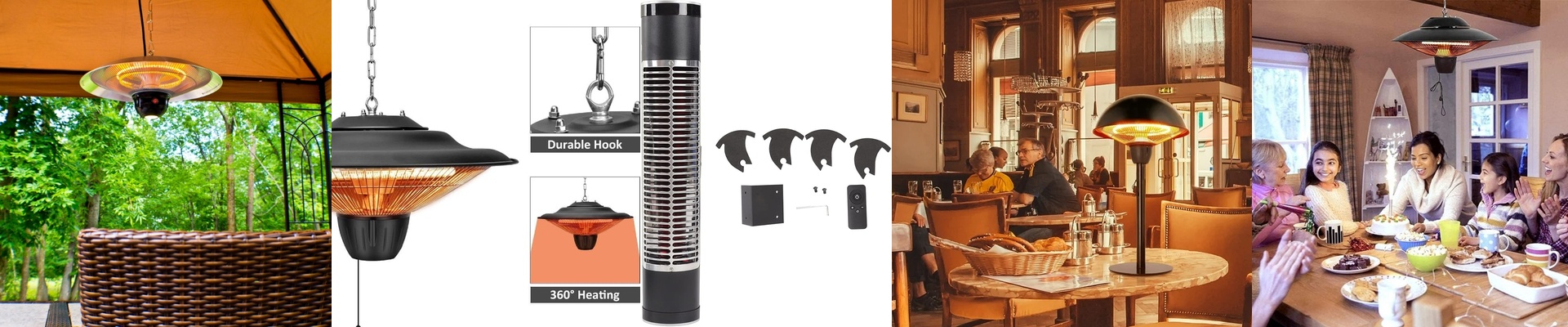
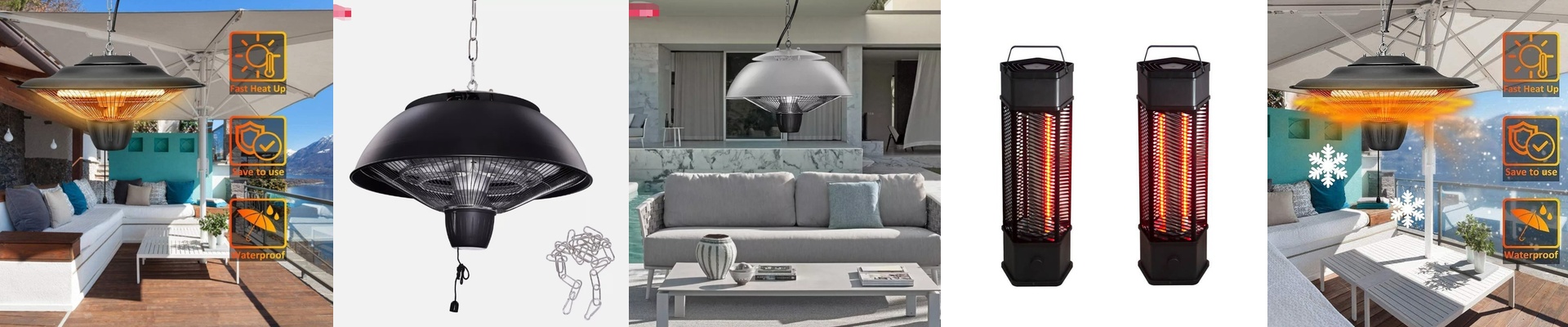
If you’ve ever tried to heat a patio in the dead of winter, you know the struggle. Trying to heat the “air” is a losing battle—the wind just carries it all away. That’s why we use shortwave infrared. It doesn’t bother with the air; it just beams heat directly onto you and your guests. It’s basically like stepping into a patch of sunlight in January. But the real magic happens when you stop flipping manual switches and let your smart home handle the heavy lifting. The Nitty-Gritty Hardware Here is the thing: you can’t just plug a high-powered infrared heater into a cheap smart plug and call it a day. These things pull a ton of power. If you use the wrong switch, you risk “welding” the relay shut, which is a fancy way of saying you’ve fried your hardware. We use heavy-duty relays or TRIAC dimmers that can handle that initial surge of electricity without breaking a sweat. And since this is all happening outdoors, everything is tucked inside an IP65-rated waterproof shell. Rain, snow, or humidity—it doesn’t matter. The electronics stay dry and happy. No More Waiting Around Nobody wants to sit shivering for ten minutes while a heater “warms up.” That’s why we stick with protocols like Zigbee or Matter. They’re fast. When you tap a button on your phone, the signal hits the gateway and the tungsten filament glows almost instantly. It’s immediate. One click, and you’re warm. A Few Things to Watch Out For Now, there’s a catch. Infrared heaters put out a massive amount of heat in a very small space. If you just set them on a timer, you might end up accidentally turning your deck into a sauna. The fix? Pair the heater with a remote temperature sensor. This creates a simple loop: once the area hits your favorite temperature, the system dials the power back. It keeps things comfortable without wasting electricity. One last tip: because those waterproof seals are so good at keeping water out, they’re also great at trapping heat inside. We make sure the driver electronics are physically separated from the heating element. Otherwise, you’re just cooking your own circuit board.