Keeping Things Safe: Using IPX5 Quartz Heaters in the Bathroom
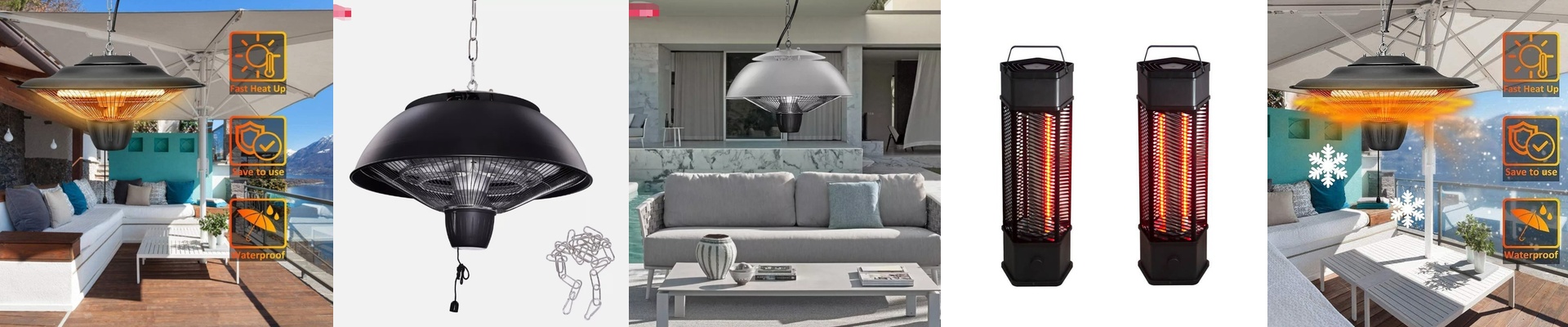
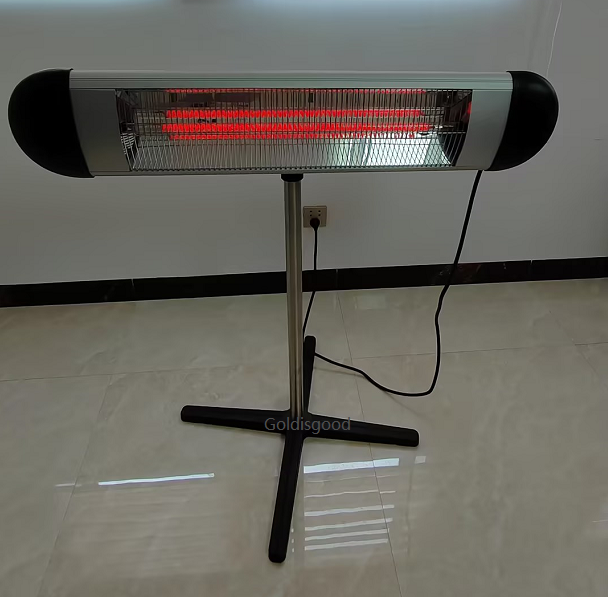
Let’s be honest: putting a heater in a bathroom is a bit like playing with fire—or in this case, electricity and water. It’s a risky mix. Between the steam and the occasional splash, you’ve basically got a highway for electricity to go where it shouldn’t. To keep things from going south, we rely on IPX5-rated housings and explosion-proof quartz tubes. Why the “explosion-proof” part matters Here is the thing about standard quartz: if a cold drop of water hits a red-hot lamp, the glass can just snap. It’s called thermal shock, and it’s not pretty. That’s why we use a specific kind of explosion-proof quartz. It can handle those wild temperature swings without shattering. Then you’ve got the IPX5 rating. That’s just a fancy way of saying the outer shell can take a jet of water from any direction and keep the internals dry. If a seal ever fails, that tough glass acts as your last line of defense. It keeps the gas inside the tube and stops the filament from burning out the second it touches the air. The nitty-gritty on installation The best part about these heaters? They pack a ton of heat into a tiny space. Instead of just warming up the air around you, the infrared radiation hits your skin directly. It feels immediate. But, you have to be careful with the wiring. These lamps pull a lot of current. If you use cheap cables, the insulation can actually melt over time. To avoid a burnout, I always suggest using high-temperature silicone wiring for everything inside. It’s a small detail that saves you a massive headache later. Staying safe Putting a basic, non-rated heater in a shower area is just asking for trouble. An IPX5 system solves the problem simply: it keeps the electricity dry while the quartz does the heavy lifting. Just keep in mind that while the hardware is tough, you still need a proper GFCI (Ground Fault Circuit Interrupter) in your circuit. That’s the real safety net that makes the whole setup work.