
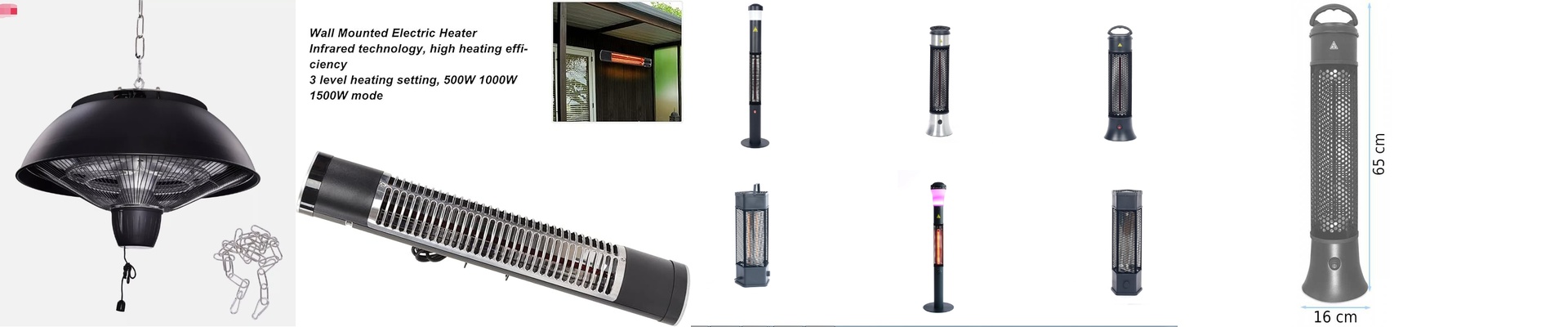
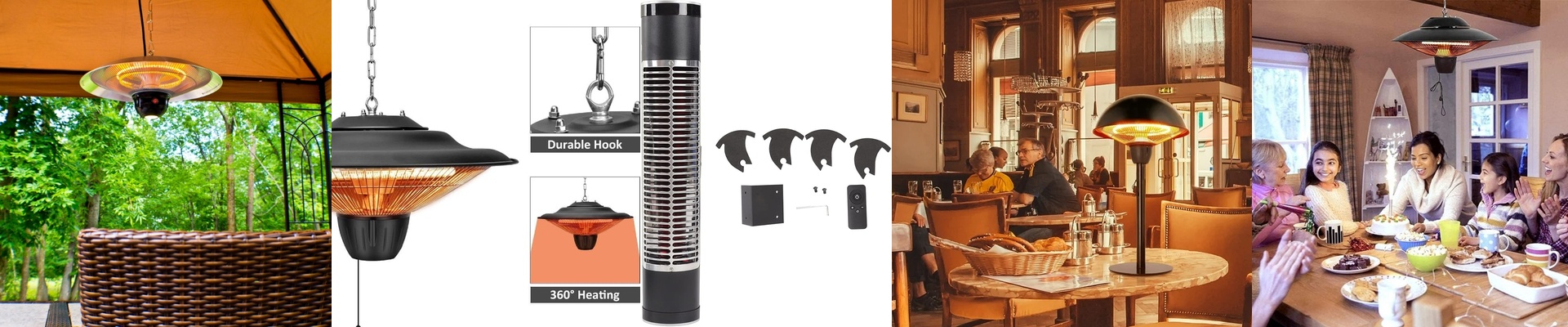

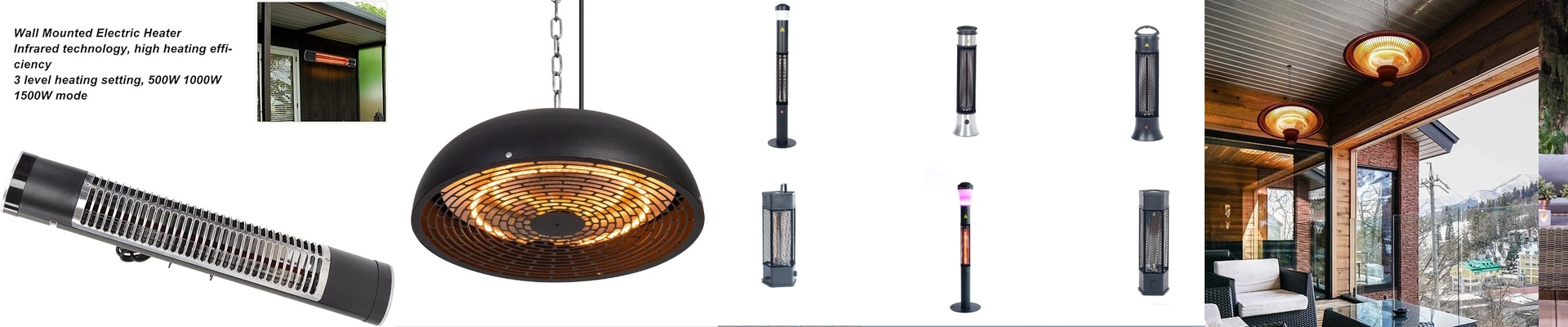
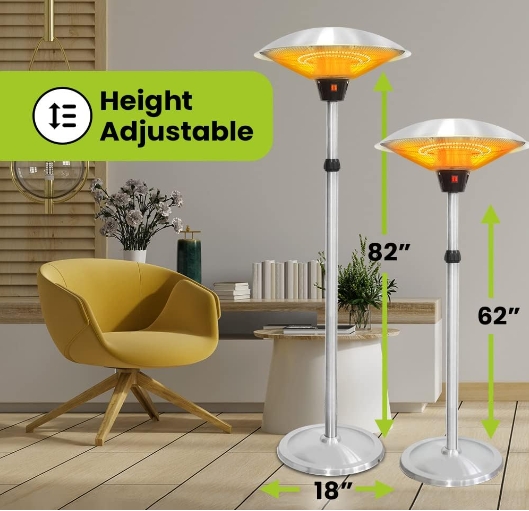
Keeping Things Warm (and Safe) in the Shower: The Truth About IP65 Quartz Heaters
Let’s be honest: putting a heater in a shower or a steamy bathroom is a bit like playing with fire—literally. You aren’t just trying to stop the shivers; you’re fighting a constant battle against moisture. Water vapor is sneaky. It finds its way into everything. That’s why we don’t mess around with the housing. We use IP65-rated enclosures and explosion-proof quartz tubes. It sounds intense, but it’s the only way to make sure you don’t end up with a catastrophic short circuit the moment the room gets saturated.
Why Quartz?
Standard glass is temperamental. If it’s screaming hot and a cold drop of water hits it? Crack. We use high-purity quartz because it’s tough. It handles those wild temperature swings without shattering. When we say “explosion-proof,” we just mean the tube can take the pressure and resist cracking when it’s running at full blast and gets splashed. Plus, we seal the ends with specialized gaskets. This keeps the moisture from creeping into the filament chamber. If water touches a raw filament, it’s game over—it burns out instantly. The seals keep the electricity where it belongs.
Heat That Actually Works
These units use infrared radiation, which is a different beast than your typical heater. Instead of trying to warm up all the air in the room, infrared goes straight for the surface. In a bathroom, this is a win. You feel the warmth immediately on your skin, but you aren’t creating that thick, heavy steam that ruins your paint or makes the room feel like a sauna. One heads-up, though:**watch your wiring.**These quartz lamps pull a lot of power. If your breakers aren’t ready for that initial surge, you’ll be flipping the power switch back on more often than you’d like.
The Catch
Nothing is perfect. That IP65 seal is great for keeping water out, but it also traps heat inside the box. Because of that, you can’t just shove these into a tight, unvented hole in the wall. They need to breathe. If there’s no airflow around the chassis, the internal parts will basically cook themselves. Give it at least 50mm of clearance, or you’ll be replacing the unit way sooner than you should.