
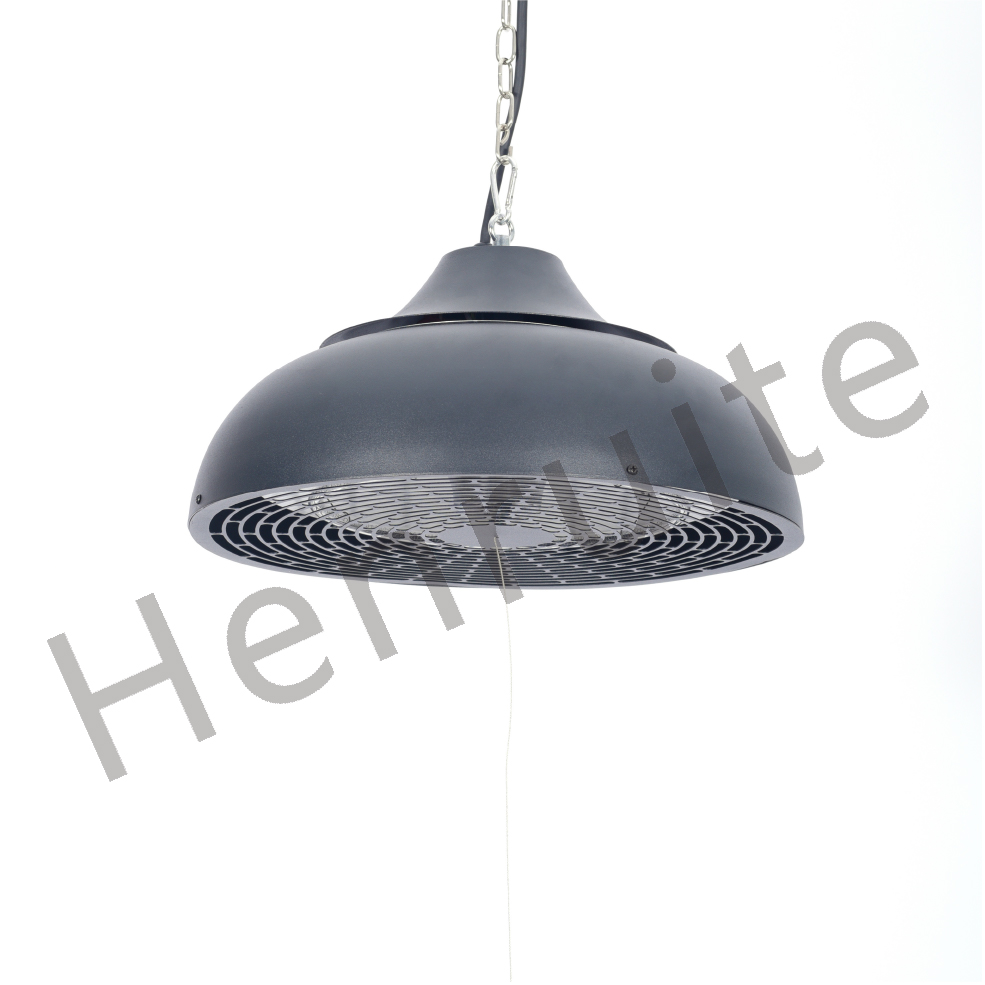
Why we put our heaters through the “damp-heat” ringer
We make infrared heating lamps for two very different places: bathrooms and chicken coops. On the surface, they aren’t similar. But in reality? Both are absolute nightmares for electronics. You’ve got thick humidity, wild temperature swings, and moisture hitting everything. If a seal isn’t perfect or a quartz tube has a tiny, invisible crack, the whole thing is toast. The problem with steam Water vapor and high-voltage heating elements just don’t get along. Think about a steamy bathroom. That mist finds every little gap in the housing. When that moisture hits a glowing hot element, it causes “thermal shock.” It’s violent, on a microscopic level. To stop this, we use damp-heat aging tests. Basically, we shove our units into a saturated, swampy environment and flip the power on and off repeatedly. We’re trying to break them. We want the weak solder joints or leaky gaskets to fail in our lab, not in your customer’s ceiling. It’s all in the seal The real battle is where the quartz glass meets the metal end-caps. Metal and glass expand at different rates when they get hot. If that bond isn’t spot-on, moisture seeps into the filament chamber and causes the metal to oxidize fast. Here’s the catch: a lamp can pass a standard quality check and look perfect. Then, 100 hours into a humid winter, it dies. That’s why we don’t trust “out-of-the-box” testing. We age the whole batch. We make them earn their keep. The trade-off Now, you can’t just “waterproof” everything without a cost. Adding heavy-duty seals makes the fixture bulkier. It also traps more heat inside, which can fry the internal wiring if there’s no room to breathe. You end up with a lamp that won’t short out in a steam room, but it needs a bit of airflow to stay cool. We give you all the data on those thermal limits. That way, you can wire it up and know it’s actually safe.