
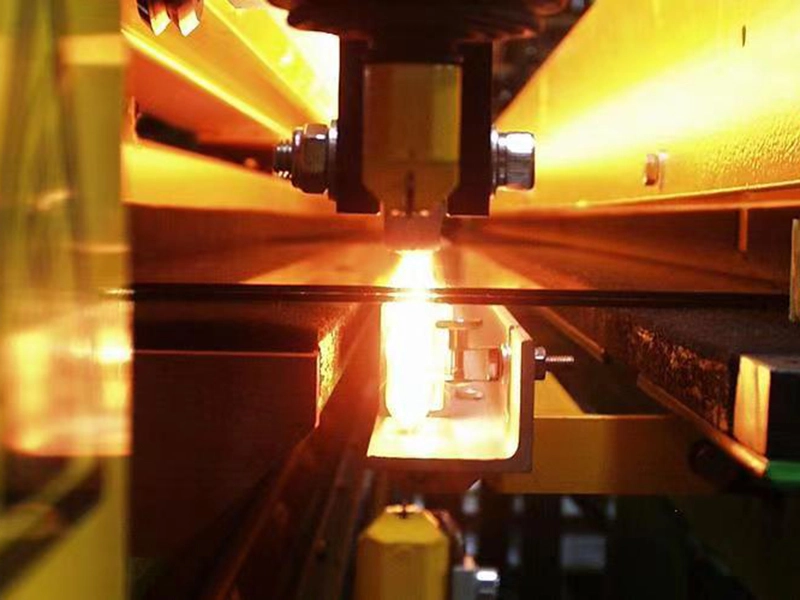
Stop the Chipping: Why Preheating Your Glass Matters
Anyone who’s spent time cutting cold glass knows the frustration. You score the surface, you go for the break, and—snap—you get those jagged chips or a corner breakout that ruins the whole piece. It’s a waste of material and a headache for your bottom line. The problem is basically internal stress. When you hit cold glass, the crack doesn’t always follow the line; it wanders. We’ve found a way to fix this using medium wave quartz infrared heaters. The goal is simple: we change how the glass behaves before the blade even touches it.
How the heat actually helps
Here’s the thing: medium wave IR radiation sinks into the glass better than the short-wave stuff. We usually aim for a sweet spot between 150°C and 250°C. When the glass hits that temperature, the surface layer relaxes. The tension drops. Now, when you score it, the crack doesn’t jump around—it stays in a straight, predictable line.**No wandering crack means no chipping.**It’s as simple as that.
The gear we use
We build our heaters from high-purity fused quartz. Why? Because this stuff can handle the “thermal shock” of being turned on and off rapidly without shattering. But you can’t just throw any heater on a line. You have to match your wattage to your belt speed. If your line is flying, you need more power density to make sure the glass is hot enough by the time it reaches the cutter. We also reinforce the ends of the tubes. Machines vibrate, and without that extra support, quartz can crack.
A few things to watch out for
It’s not all plug-and-play. Adding an infrared tunnel takes up more floor space, and you have to deal with the leftover heat. If your cooling fans aren’t up to the task, that heat can soak into your aluminum frames or fry your conveyor bearings. It’s a mess you don’t want. **My advice?**Install heat shields. It keeps the energy focused on the glass and keeps your equipment from warping.