
Stop the Chipping: Why We Preheat Glass
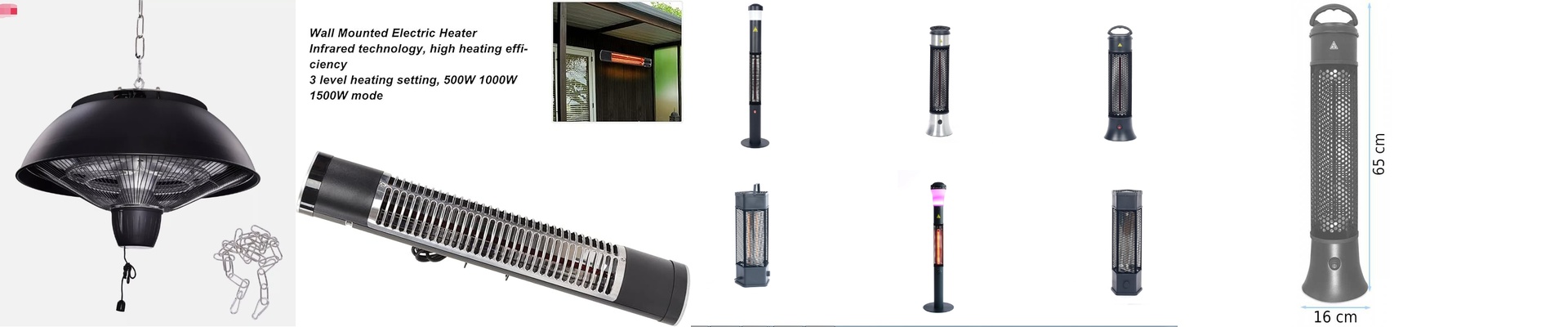
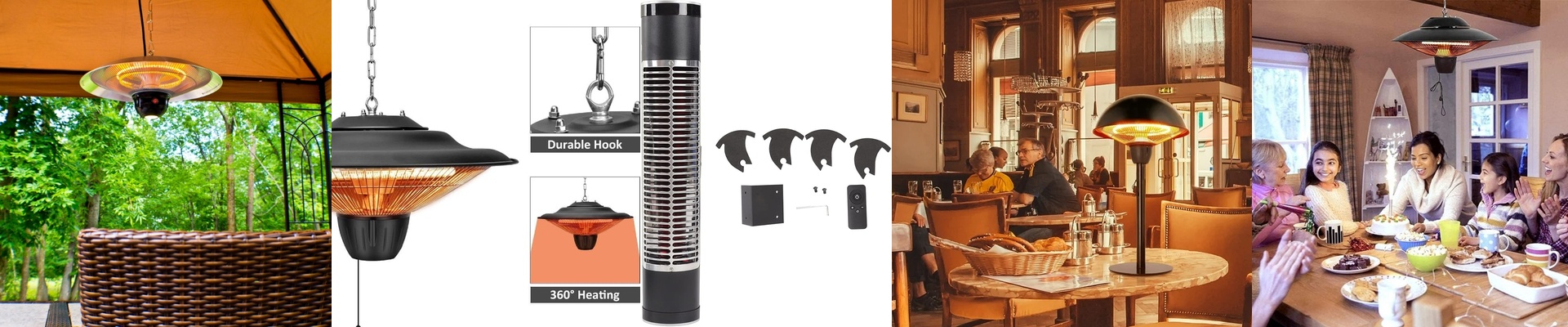
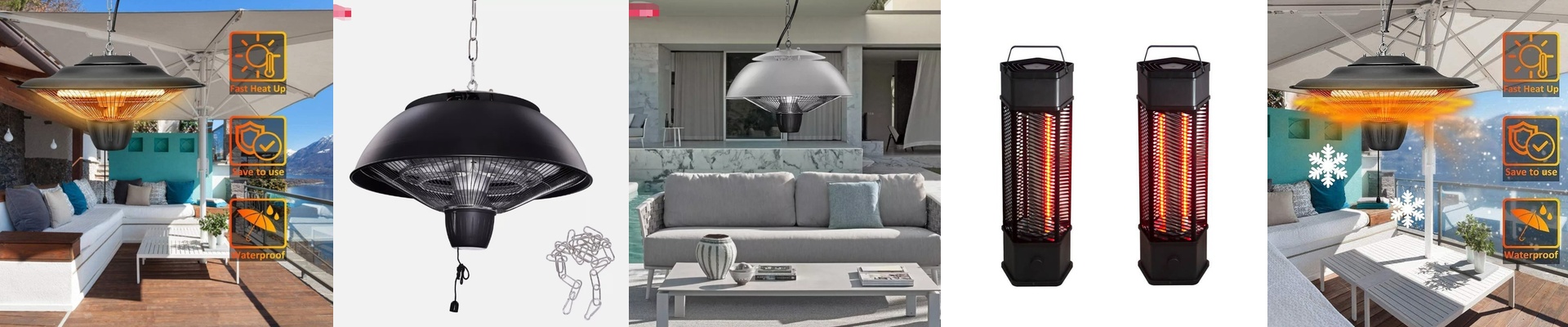
Cutting cold glass is a bit of a gamble. You score it, you break it, and you just hope the structural integrity holds up. But more often than not, those internal stresses act up, and you end up with those annoying chips or corner breakouts that ruin a perfectly good sheet. That’s why we use infrared (IR) preheating. We basically calm the material down before the blade ever touches the surface. The logic is pretty simple. Glass is brittle. By hitting it with targeted IR heat, we soften the surface layer and bridge the temperature gap between the core and the edge. It relaxes the tension. When the glass is warm, the crack actually follows the score line instead of wandering off. You get a clean, crisp break. And for your bottom line? That means way less scrap hitting the floor. Why IR lamps specifically? We go with short-wave infrared quartz lamps because they’re fast. Really fast. Unlike a convection oven—which wastes a ton of energy just heating up the air around the glass—IR puts the energy directly into the material. But you have to get the balance right. If the lamps aren’t powerful enough or the glass moves too quickly, it stays too rigid and you’re back to square one. On the flip side, you can’t just crank it to max. If it gets too hot, you’ll actually create new thermal stresses, and the glass might just snap on its own. It’s all about finding that sweet spot between wattage and distance. Setting it up (and keeping it running) Getting these lamps onto your cutting line takes a bit of finesse. We usually suggest a staggered layout. It’s the best way to make sure the heat is even across the whole width of the sheet. Just a heads-up: quartz tubes are fragile. If your machinery vibrates too much or the team is a bit rough with the gear, you’re going to be replacing tubes a lot. Also, don’t skimp on the cooling fans. The heat build-up around the housings is no joke, and if you don’t keep those filaments cool, they’ll burn out way sooner than they should.