
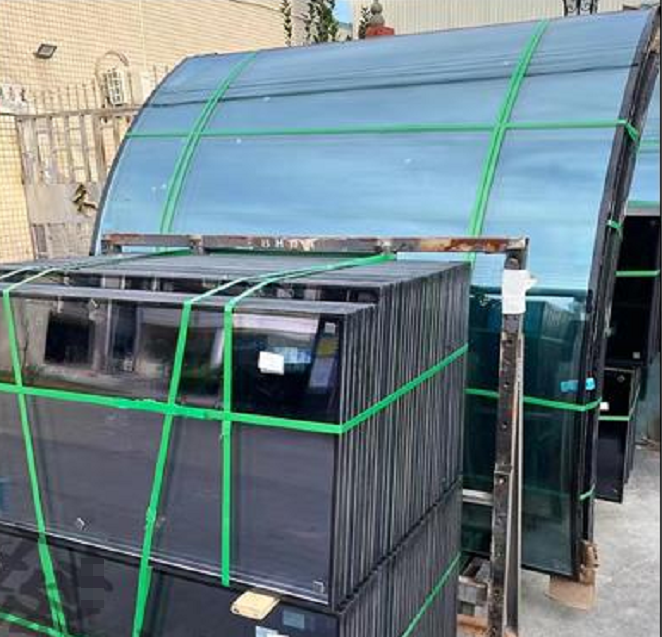
Getting Low-E Preheating Right on Glass Over 3 Meters
If you’re working with wide-format Low-E glass, you know the struggle. You need the heat to be perfectly even across the whole sheet. But here’s the problem: most standard lamps just aren’t long enough. Once you hit that 3-meter mark, off-the-shelf gear usually fails, leaving you with annoying cold spots in your drying tunnels. That’s why we build custom short-wave infrared (SWIR) units. We basically bridge that gap so your glass is heated uniformly, edge to edge. The struggle with voltage When you stretch a heating tube past 3 meters, physics starts to fight you. A basic 220V circuit often can’t push enough power to keep the middle of the tube as hot as the ends. It’s a common headache. We fix this by tweaking the filament winding density and dialing in the voltage. The result? A flat thermal profile. No guessing games, just consistent heat across the entire width of the glass. Dealing with quartz and gravity Short-wave lamps use high-temp quartz, which is great for heat but tricky for length. At over 3 meters, these tubes can actually start to sag or even snap under their own weight. To stop that from happening, we use heavy-wall quartz and mounting clips that we’ve engineered to be precise. But there’s a trick to it: we don’t over-tighten them. These tubes need room to breathe and expand as they heat up. If they’re pinned too tight, they’ll crack the moment you ramp up the power. A few things to keep in mind These units put out a massive amount of heat—that’s how they preheat so fast. Just make sure your power cabinets can handle the initial surge of current when you flip the switch. And a heads-up: because these tubes run incredibly hot, your conveyor frame is going to feel it. You’ll want to double-check your shielding and cooling fans so your frame doesn’t warp from the ambient heat. The best way to set this up is with high-temp leads and a PID controller tuned specifically for the weight and size of the long-tube array. Once it’s dialed in, your preheating time drops and your surface temperature stays rock solid before the coating even starts.