
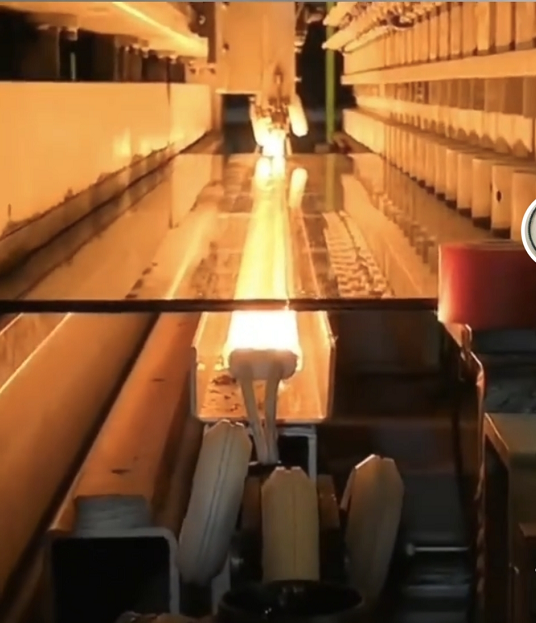
Fitting High-Heat Radiators into Mobile Glass Brackets
Let’s be honest: mobile glass repair is a game of inches. You don’t have the luxury of a massive heating rig when you’re working out of a handheld bracket or a mobile kit. It just doesn’t fit. To get around this, we use shortwave infrared (SWIR) radiators. Basically, we’ve found a way to pack a ton of power into a tiny footprint. Dealing with the squeeze When you’re fighting for space and limited by your voltage, you have to make every millimeter count. We use quartz-halogen elements because they hit the right temperature almost instantly. It’s fast. Really fast. And that changes everything for the technician. Instead of waiting around and heating up the entire piece of glass, you can pinpoint the exact bond area you need to hit. To make this work in a mobile bracket, we use shorter tubes with high-wattage filaments. It concentrates all that thermal energy into one small spot, which keeps the heating head from becoming a bulky mess. The nitty-gritty of the build We keep the wiring lean with compact connectors. Nobody wants a bunch of thick, clumsy terminals getting in the way. The quartz envelope is the secret sauce here—it lets the heat pass straight through without the lamp absorbing it. But here is the catch: when you push that much power into such a small space, things get hot. Like, really hot. You can’t cut corners on the housing. If you use cheap plastic for the frame, it’s going to warp or start off-gassing the second you flip the switch. You need heat-resistant alloys or ceramic insulators to keep things safe and sturdy. Putting it to work In the field, these radiators are a lifesaver for curing adhesives or softening gaskets on the fly. You’re cutting your warm-up time from minutes down to seconds. Just one tip: make sure your power supply can handle that initial current spike when the lamp kicks in. If it can’t, you’ll be spending your afternoon replacing blown fuses.