
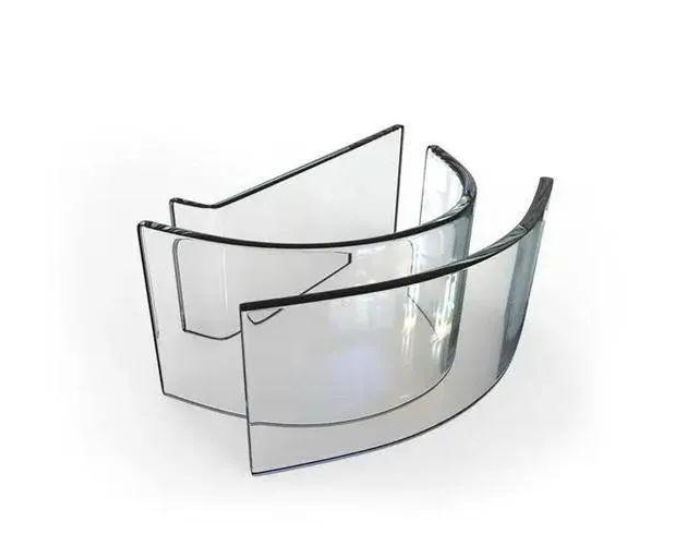
Fixing Cold Spots in Glassware Annealing
Ever had a batch of glassware come out of the oven only to find a couple of pieces cracked? It’s frustrating. Usually, it happens because of “cold spots.” If you’re working with pieces that have deep bases or narrow necks, a standard convection oven just can’t keep up. The hot air can’t quite reach into those tight crevices. You end up with uneven stress in the glass, and—snap—there goes your profit margin. We’ve found that shortwave Infrared (IR) lamps are the way to go here. Why IR actually works Here’s the thing: IR radiation doesn’t care about air movement. It doesn’t need to “blow” heat into a corner; it just beams energy directly onto the glass surface. By setting up these lamps in a multi-angle array, you can hit those stubborn dead zones that air simply misses. We use high power density lamps so the glass hits its annealing point fast. The best part? You aren’t baking your entire machine chassis just to get one narrow neck up to temperature. Picking your gear You can’t just throw any bulb in there. Since every shape is different, you’ll want a mix of lamp lengths and wattages. We usually stick with quartz halogen tubes. They’re great because they ramp up almost instantly. No waiting around. If you’re wiring these into a heavy-duty industrial grid, go with R7s or SK15 connectors. They stay put, even when the floor is vibrating. But a word of caution: watch your wattage. While a powerful array kills cold spots quickly, it generates a lot of heat. If your cabinet ventilation isn’t up to the task, you’re going to fry your control electronics. It’s a balancing act. Getting it running on the floor The trick is to stagger the lamps. When you overlap the radiation fields, the heat basically wraps around the glassware. It turns a nightmare piece with a weird shape into just another standard part. Setting it up is pretty straightforward. You swap out your old heating elements for the IR tubes, hook them up to a PID controller, and map out your zones. It’s a relief to see the scrap rate drop. Your cycles get shorter, and you stop worrying about those random thermal fractures ruining your day.