


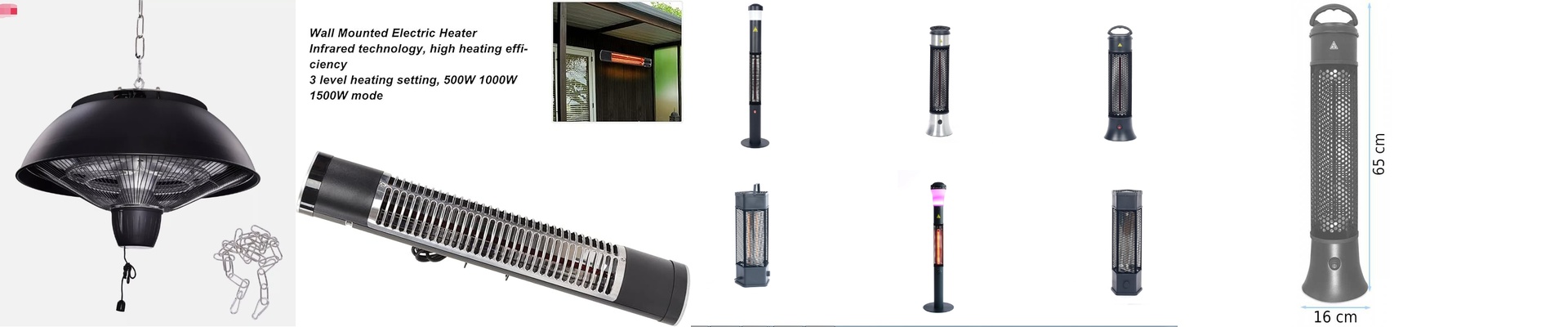

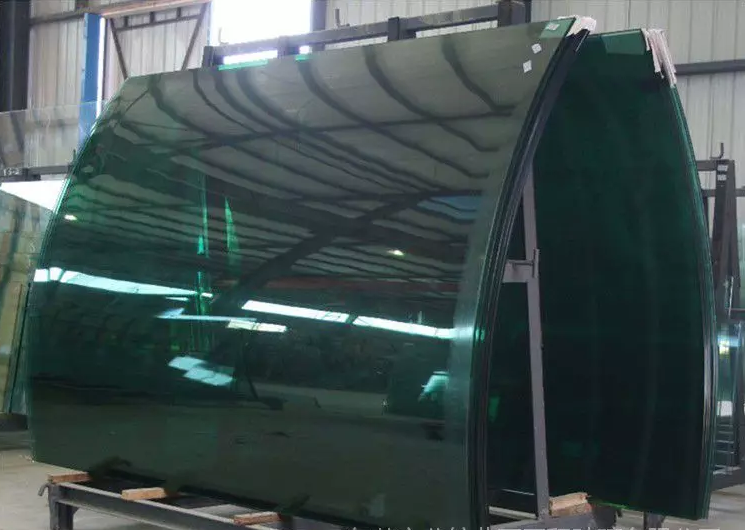
Cutting ultra-thick glass is basically a fight against the material. If you try to drag a tungsten carbide wheel across a cold, thick slab, the glass fights back. It chips. The blade dulls way too fast. It’s frustrating, and it wastes a lot of money on tooling. We found a better way. Instead of forcing the cut, we use shortwave infrared (SWIR) lamps to “prep” the glass before the wheel even touches it. The secret is in the heat. Most heaters just warm up the surface, which doesn’t do much for a thick plate. But SWIR actually sinks deep into the glass. We target the exact line where the cut will be, warming it up just enough to take the edge off that brittleness. It doesn’t melt the glass—nothing crazy like that—but it creates a “softened” path. When the wheel finally hits the surface, it just glides. The score is cleaner, and your blades last way longer because they aren’t battling raw, cold tension. To make this work, you need some serious power. We use lamps with a high wattage-per-centimeter ratio to make sure the heat actually reaches the core of the plate. These aren’t your average bulbs; they’re housed in quartz envelopes so they don’t melt under their own intensity. But look, it’s not as simple as just flipping a switch. You have to be careful. If you crank the heat too high, you’ll hit a point of thermal shock and the whole plate could crack before you even start. It’s a balancing act between how far the lamp is from the glass and how fast your conveyor is moving. And a heads-up on the electrics: these lamps pull a lot of juice. If your wiring isn’t up to the task, you’re going to trip your breakers the second they kick in. Also, don’t forget the cooling fans. Keep them pointed right at the lamp housings, or your reflectors will warp over time.