Stop Your Glassware From Shattering During Tempering
If you’ve ever seen a batch of glassware shatter during tempering, you know that sinking feeling. It usually comes down to one thing: thermal shock. To keep that from happening, you need a temperature ramp that’s smooth and precise. That’s why we use shortwave infrared (IR) lamps in our electric lehrs. It’s all about controlling exactly how much heat hits the glass surface the moment it enters the “instant tempering” phase.
Controlling the Heat (Without the Lag)
The secret is speed. You need lamps that react the second you change the power. We use high-frequency SCR controllers because they’re incredibly responsive. Unlike gas burners—which take a while to cool down or heat up—IR lamps have almost zero lag. When you drop the voltage, the heat stops. Period. This lets you dial in the temperature gradient across the glass wall perfectly. No internal stress, no sudden cracks, no wasted product.
Getting the Heat Where It Matters
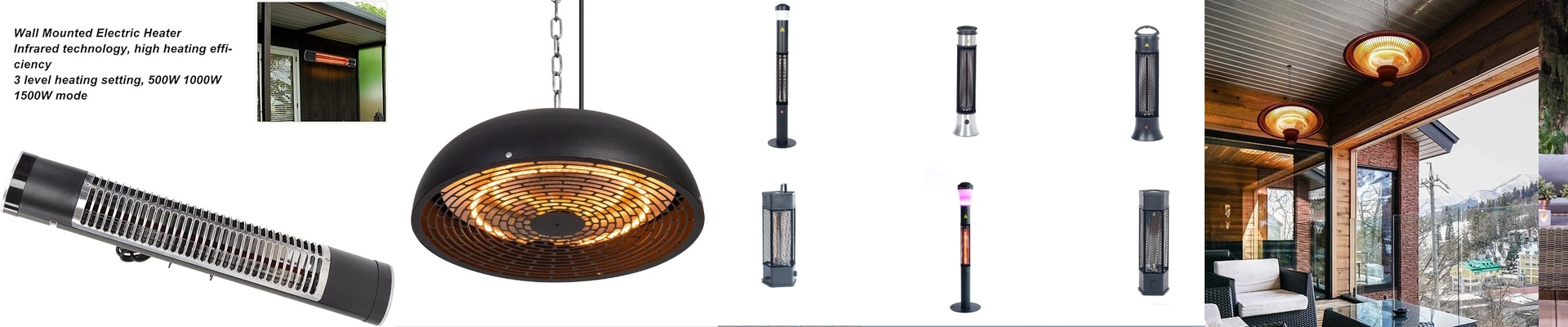
We stick with quartz-halogen tech for this. Why? Because shortwave radiation actually sinks deeper into the glass, and it does it faster than medium or longwave options. It means the core of the glass hits that tempering temperature without cooking the outer skin. It’s a much more balanced way to heat. Now, high-wattage tubes are great for fast cycle times, but they come with a catch. They throw off a ton of waste heat. If your lehr’s ventilation isn’t strong enough to pull that heat away from the sockets, you’re going to melt your connectors or fry your wiring.Don’t skimp on the airflow.
The Boring (But Important) Stuff
We use standardized connectors so you can just pop a new lamp in and get back to work. No need to rewire the whole bank every time a bulb goes. But here’s the thing: alignment is everything. If a tube is even slightly tilted, you’ll get hot spots on the glass. One hot spot is all it takes to ruin a whole batch. And please, keep the quartz envelopes clean. A little bit of dust or a smudge of oil might seem like nothing, but it causes the lamp to overheat and pop. It’s a simple fix that saves a lot of headaches.