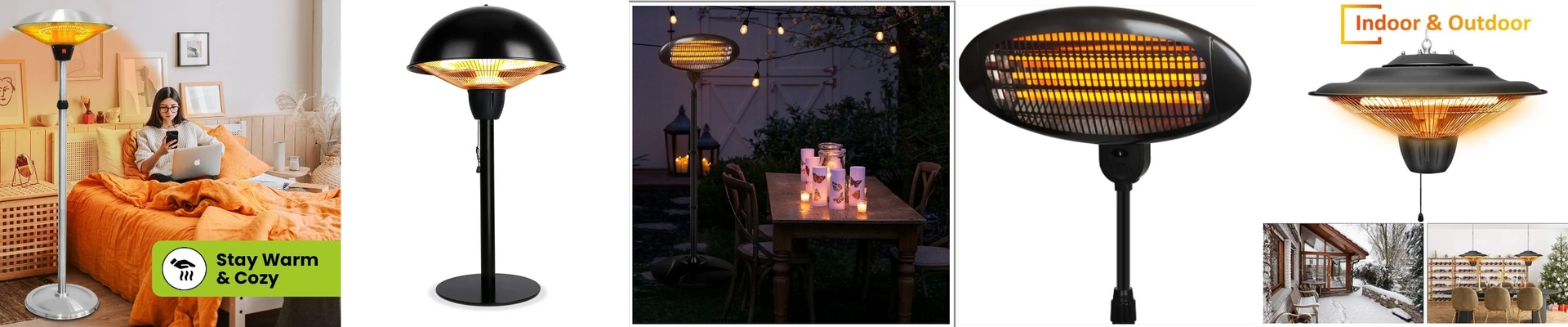
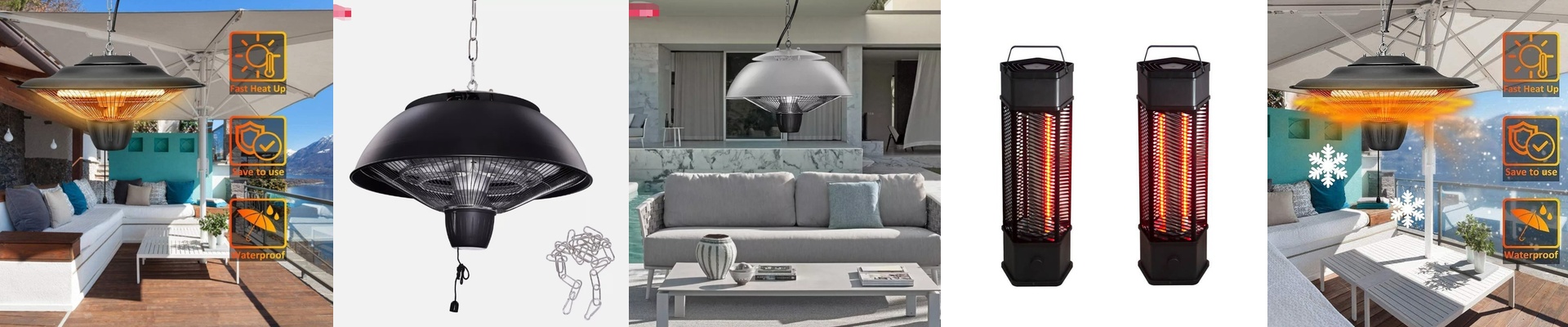
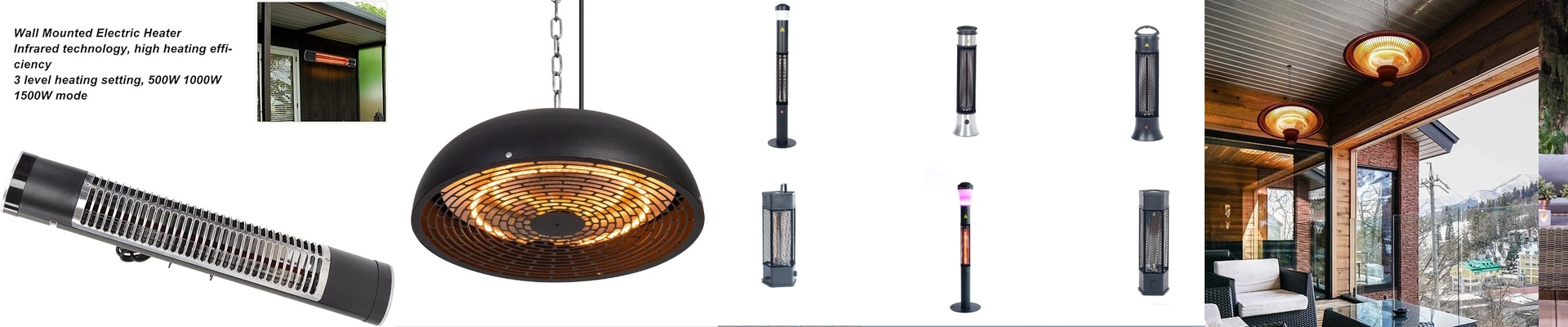
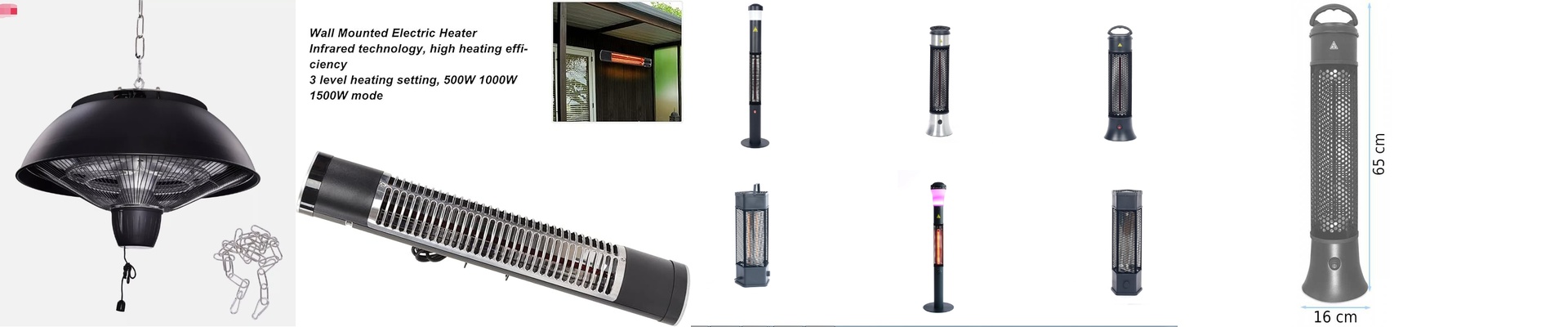
Stop Messing Around with Individual Heating Tubes
Most glass shops do things the hard way. They buy a bunch of infrared lamps, figure out the wattage, wire them up by hand, and then just… hope the heat hits the glass evenly. If you’re annealing wine glasses, that “hope” is a huge problem. Wine glasses have a tricky shape. To get rid of internal stress without warping the rim, you need heat that actually wraps around the glass.
A Better Way to Build
We’ve stopped focusing on selling standalone tubes. Why? Because it’s a headache for you. Instead, we’re building curved heating modules. We take those quartz lamps and lock them into a fixed geometry that fits your conveyor or rotating carrier perfectly. It’s a plug-and-play setup. You stop wasting hours trying to align lamps and start actually moving product through the line.
The Nitty-Gritty on Heat
To get a proper soak, you need the right kind of heat. We use short-wave infrared because it punches through the glass wall way faster than the long-wave stuff. By curving the lamp, we bring the heat source closer to the glass. That means you can push more volume through. But here’s the catch: when you pack high-wattage lamps into a tight curve, things gethot. Really hot. If your cooling blowers aren’t up to the task, you’re going to fry your wiring terminals. Just make sure your airflow is solid.
Making Life Easier
We designed these modules to be drop-in replacements. We handle the bending, the insulation, and all the electrical work. You just slide the module into your machine and plug it in. No more “trial and error.” No more guessing where the lamp should sit. And when a lamp eventually burns out? You don’t have to spend an entire afternoon re-tuning your heat map. You just swap the module and get back to work. It keeps your floor space clear and your downtime almost non-existent.