



Stop Fighting “Batch Drift” in Your Glass Annealing
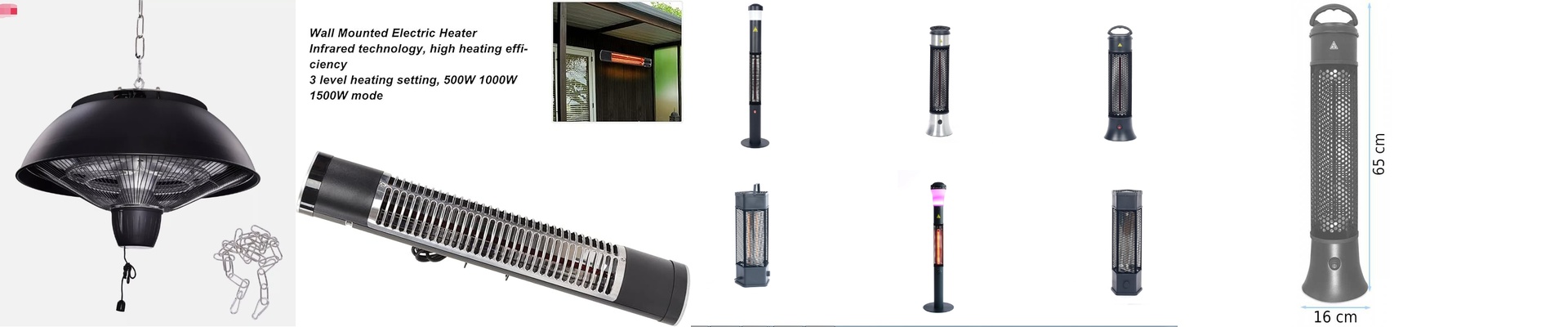
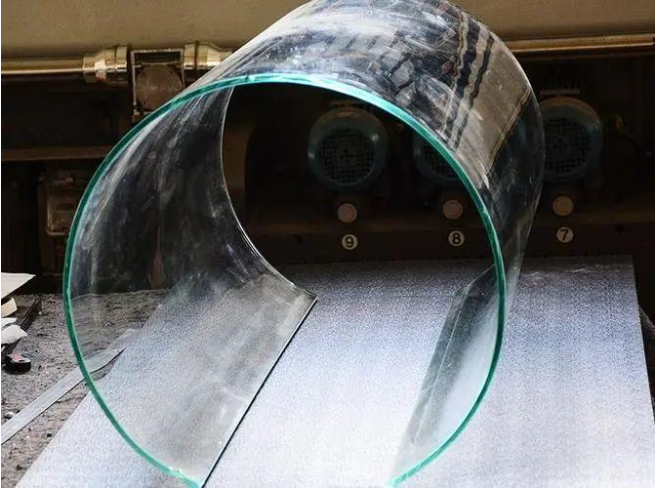
If you’ve ever run a batch of glass bottles through the cutter and annealer, you know the frustration. You pull the first ten pieces out and they’re perfect. Then you hit the end of the run and suddenly you’ve got internal tension or those annoying little micro-cracks. It’s a headache. Usually, this happens because most heaters aren’t actually identical. They might have a 5-10% difference in wattage or spectral output. In most industries, that’s a rounding error. In glasswork? That tiny gap is exactly why your thermal expansion is all over the place. The secret to consistency To fix this, we focus on tightening the tolerances of the infrared (IR) lamps. We make sure every single tube in your array is putting out the exact same wattage and wavelength. Think about it this way: if you have ten lamps and just one is under-performing by 50W, you’ve got a cold spot. Since glass doesn’t move heat around very well, that cold spot causes the bottle to cool unevenly. That’s where the stress builds up and where your glass eventually snaps. It’s about more than just “heat” You can’t just blast the glass with raw heat and hope for the best. You need the IR waves to soak into the glass wall at a steady, constant rate. We use a specific quartz mix and a particular way of winding the filaments to keep the heat density flat across the whole tube. When the spectral output matches across the entire batch, every piece of glass hits its annealing point at the exact same time. No guessing. No “lucky” bottles. The trade-off you need to know about Now, high-output IR lamps are great for stabilizing a batch quickly, but they do come with a catch. When you push that much power through a small area, your power supplies have to work harder. You’ll also need a tighter cooling loop for the lamp sockets. Here is a pro tip: check your wiring. If your leads aren’t rated for the peak current, you’ll burn out your connectors long before the lamps actually wear out. Just use high-temp leads and you’ll save yourself a lot of downtime.