

The Headache of Cold Spots in Marine Glass Kilns (and How We Fix It)
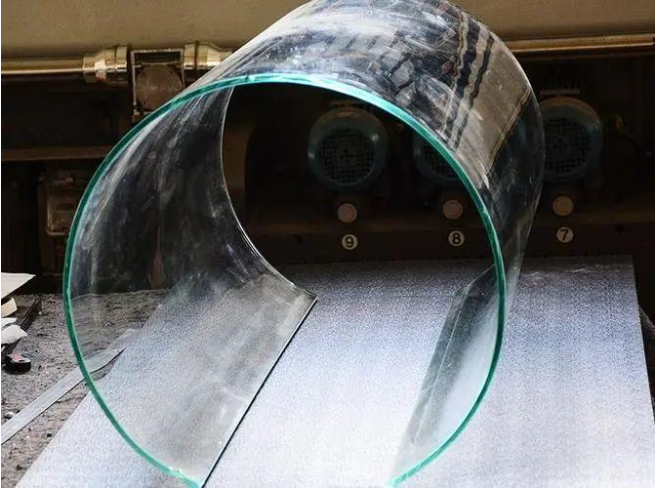
If you’ve ever worked with oversized sheets for marine glass, you know the struggle. Most infrared lamps stop at 1.5 or 2 meters. That sounds like plenty until you’re running a massive tunnel kiln. Suddenly, you’ve got these annoying “cold spots” right where the lamps meet. It’s frustrating. You want a perfect, uniform heat across the whole sheet, not a patchwork quilt of temperatures. That’s why we stopped settling for standard lengths. We build continuous heating units that push past that 2-meter mark. No gaps. No cold spots. Just a steady, even soak. The electrical side of things Here’s the thing: you can’t just stretch a lamp and call it a day. When you go longer, the electrical resistance shifts. If you aren’t careful, you’ll either end up with weak heat or a burnt-out filament. We spend a lot of time dialing in the voltage and wattage for the specific length of your tunnel. Heavy marine glass needs a lot of punch to hit that soak temperature. Plus, you’ve got to make sure your wiring can actually handle the current. If your power supply is under-specced, you’ll see the voltage drop off by the time it hits the far end of the kiln. Keeping it stable At these lengths, physics starts to work against you. A long tube wants to bow. To stop that, we use heavy-wall quartz glass. It’s tough. We also make sure the filament is centered perfectly so you don’t get those dangerous hot spots on the tube wall. We use specialized connectors to keep everything tight, which gets rid of the gaps you usually see in those modular systems. The trade-offs (because nothing is perfect) I’ll be honest with you—longer lamps are a bit more stressful to install. A 2.5-meter tube is fragile. One clumsy move during the drop-in and snap. It’s a nightmare. To make life easier, we use reinforced mounting brackets. They soak up the vibrations from the conveyor system so the glass doesn’t take a beating. And one last tip: watch your fans. When you pack that much heat into a continuous array, your cooling system has to work harder. If your airflow isn’t designed for that extra wattage, you might find your kiln’s frame overheating. It’s a small detail, but it’s the kind of thing that can shut down a whole line if you forget it.