

Getting Infrared Heating Right for Silk-Screen Tempering
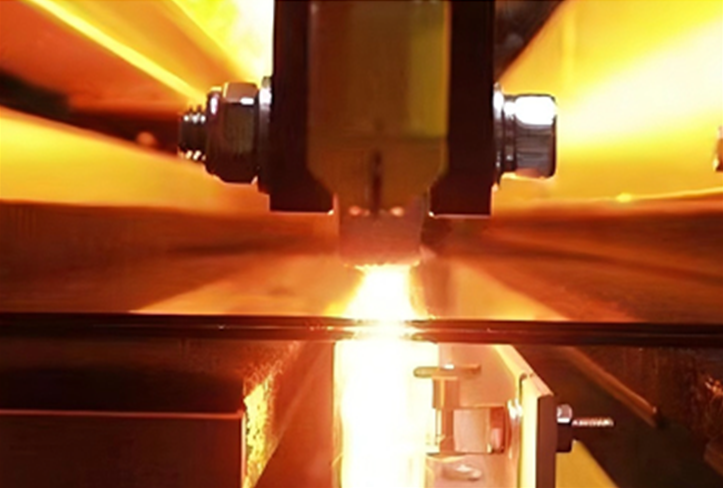
If you’ve ever worked with integrated glassware, you know the headache. You’re stuck in this constant tug-of-war between getting the ink to stick and keeping the glass from shattering. Heat it too fast to set the print? You’re risking thermal shock. Too slow? The ink smears and you’ve got a mess on your hands. This is where short-wave infrared (IR) lamps come in. They’re basically the secret to finding that middle ground. Keeping the lines sharp The trick is hitting the ink’s curing temperature without cooking the glass itself. Short-wave IR is great because it hits the surface fast. It “flash-dries” the pattern. We go for high wattage density here. Why? Because you want that heat to hit the ink instantly. If you use a slow convection oven, the ink tends to “bleed,” and your crisp lines turn into blurry blobs. With IR, the heat stays right where it needs to be—on the surface. The jump to tempering Once the print is set, you’ve got to move into the tempering phase. This part is tricky. You need a steep temperature ramp to reach the softening point, but you can’t just blast it. If you do, the glass will crack. Instead, we use zoned IR arrays. It creates a gradual thermal gradient. Think of it as staging the heat rather than just throwing it all at once. It’s a much gentler way to get the glass where it needs to be. The real-world trade-offs Now, here’s the catch. High-output IR lamps pull a ton of power and put off a massive amount of ambient heat. If your cooling fans aren’t up to the task, you’re going to fry your control electronics. It’s a balancing act. You have to sync your lamp output with your conveyor speed. Run the line too fast, and the ink won’t cure. Run it too slow, and you over-stress the glass. That’s how you end up with spontaneous breakage after the quench, which is a nightmare for anyone on the floor. The best way to handle this is to wire your lamps into a PID controller. It keeps your temperature windows tight. It’s the only way to make sure your patterns stay sharp and your glass actually stays strong.