

Why we put our factory radiators through the ultimate damp-heat test
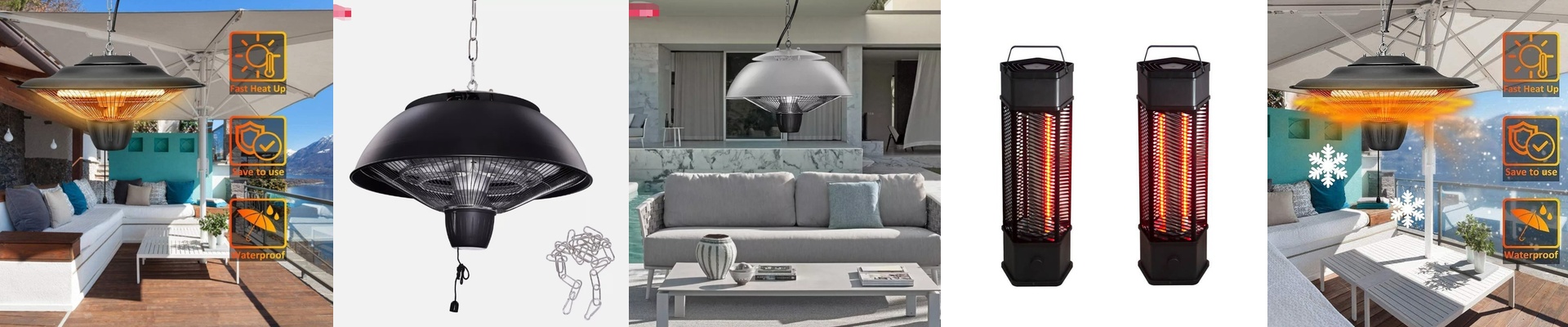
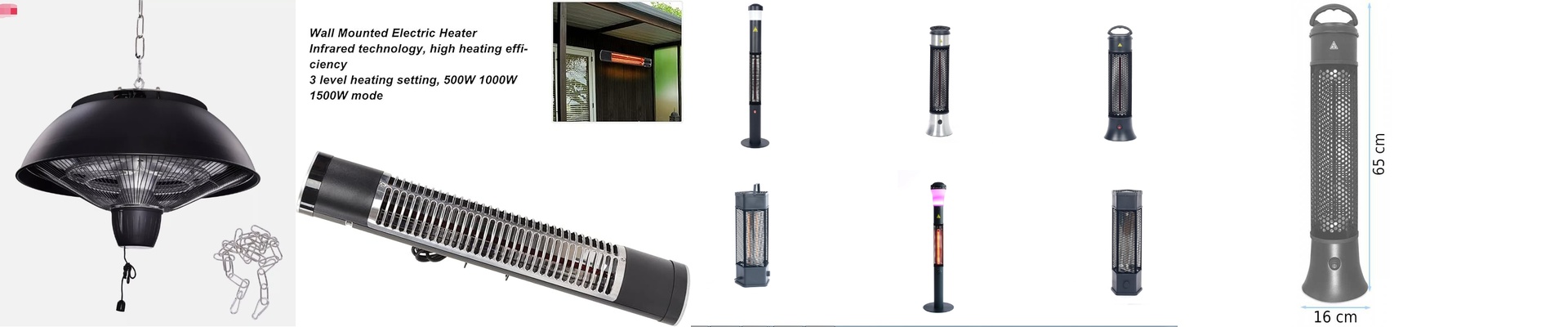
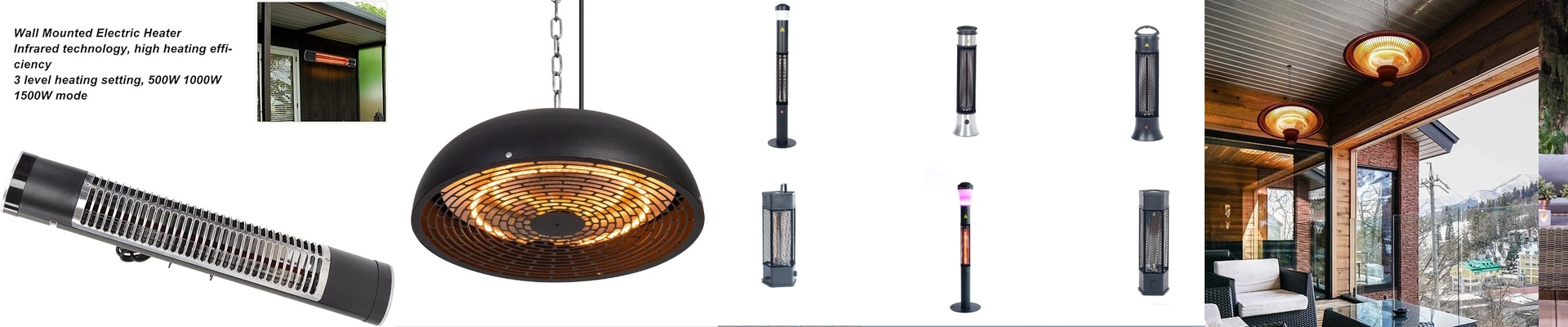
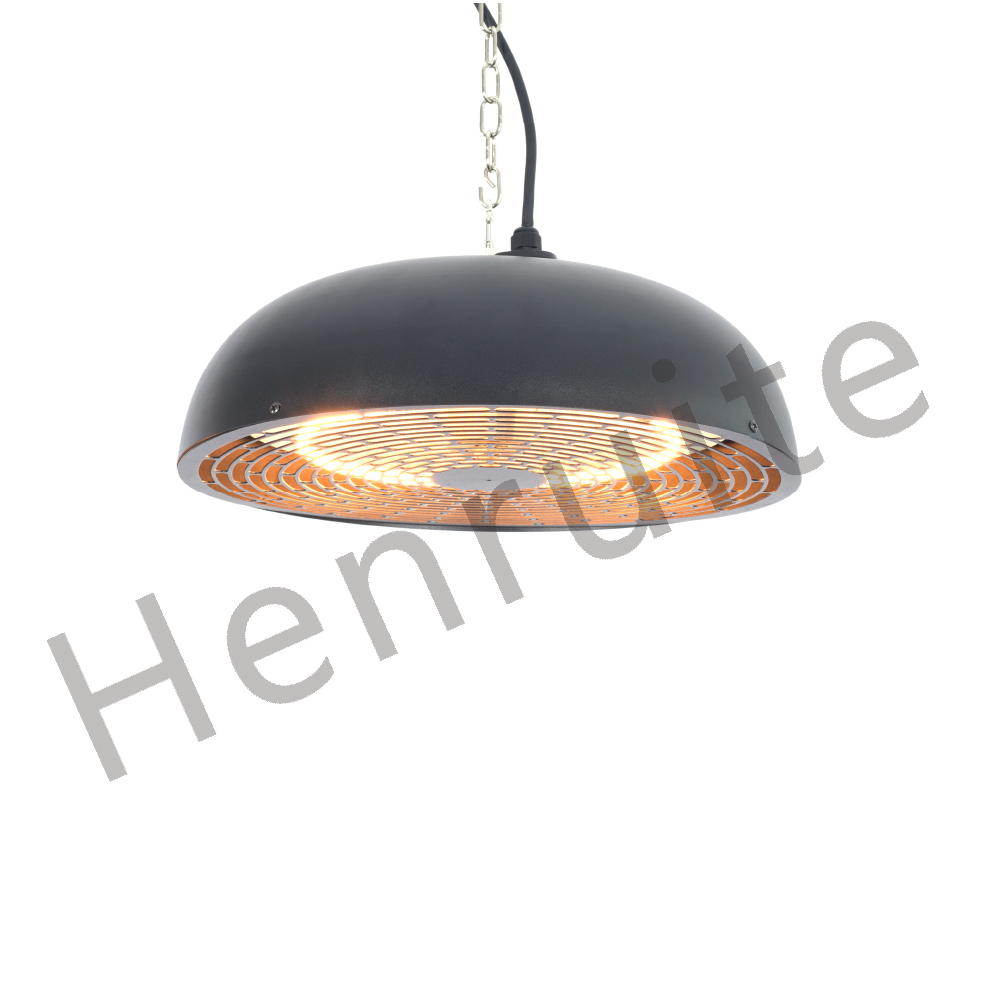
We build high-ceiling factory radiators—specifically, bathroom infrared heating lamps—because they have one job: survive the shop floor. These aren’t your run-of-the-mill heaters. They’re made to throw intense, focused heat down from up high, where regular convection heaters just waste energy. But raw power isn’t the whole story. The real test is reliability in humid, steamy environments. So every single unit gets put through serious damp-heat aging.
Power, voltage, and output—kept simple
These infrared lamps are built for industrial work. High wattage, high voltage—all so you get the heat density you need, even in big spaces. Here’s the basic idea: more wattage means a hotter filament, and that means more radiant heat. And running on a strong voltage platform keeps the current within safe limits for the wiring and terminals. The lamp shape is designed to aim heat where you need it—straight down onto the work area—so you’re not just heating empty air.
Inside the build: quartz, halogen, and connectors that don’t quit
Inside, you’ll find a quartz envelope with a halogen cycle. That combo keeps the filament steady at high temperatures and stops the lamp from darkening over time. The halogen gas actually helps regenerate the filament, so output stays consistent. Then there’s the connector interface—tough, made for high heat, and designed for quick, tool-free installation. Terminals are rated for the full current draw, so you won’t run into hot spots or loose contacts after months of heating up and cooling down.
Built for bathrooms and high-humidity zones
These lamps live where the moisture is—bathrooms, steamy factory areas, places that chew through lesser equipment. That aging test is brutal on purpose. It forces weak points to show themselves early—seals, internal joints, electrical terminations. Units that make it run through long cycles in saturated heat, proving they can take the punishment without losing output. The result? Heat you can count on, fewer surprise breakdowns, and a straight-up drop-in replacement when it’s time. Just one thing to keep in mind: the heat density is high, so your ventilation and cooling need to be properly matched to manage the overall environment.