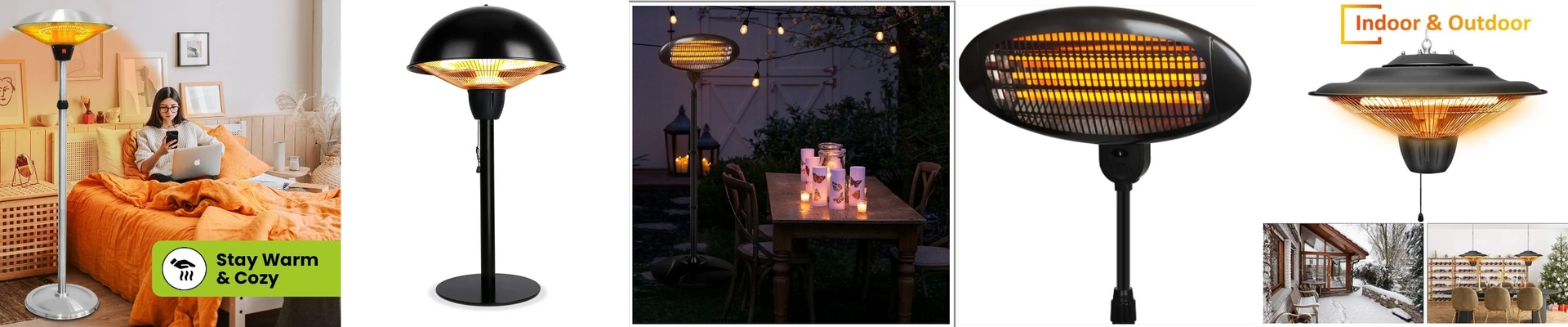
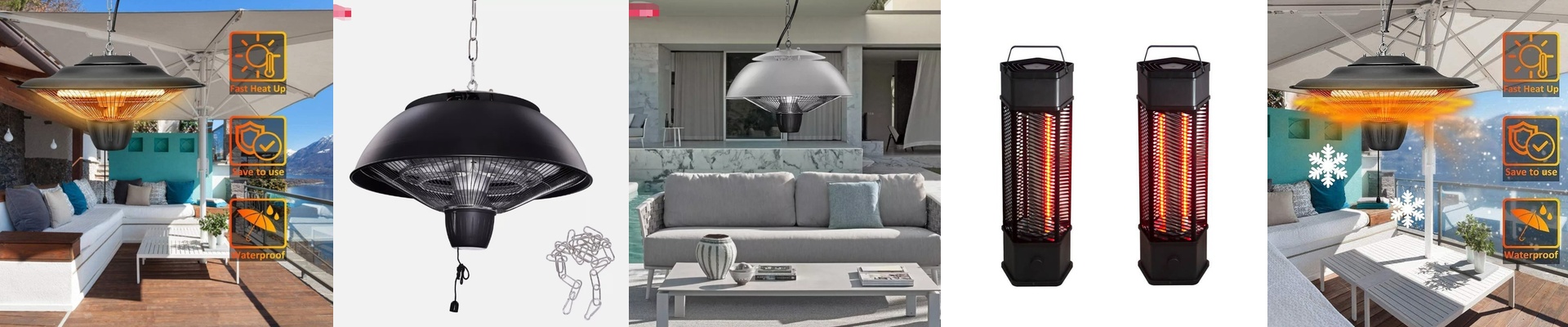
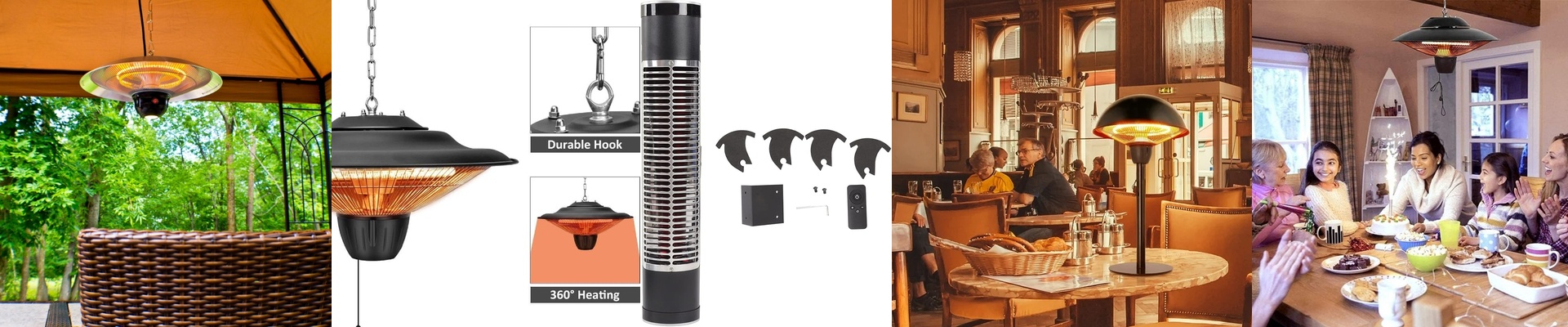
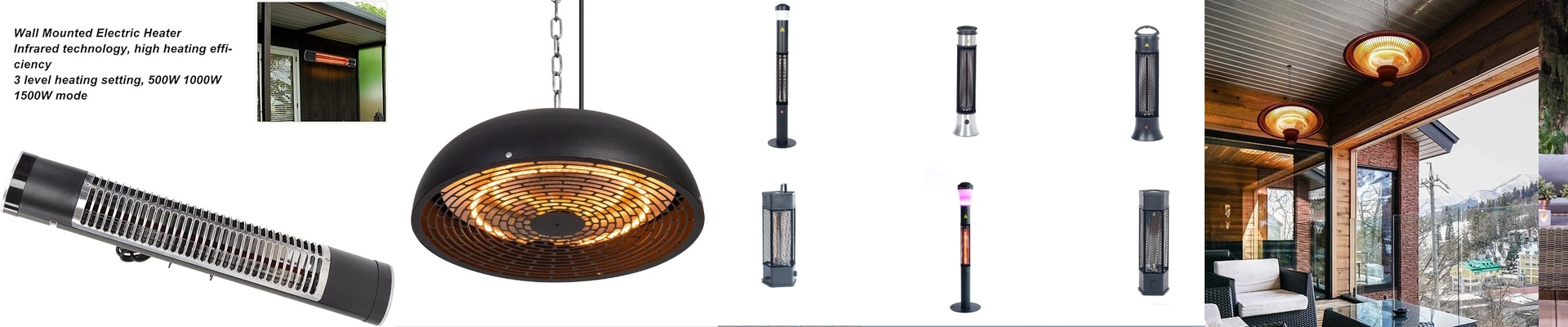
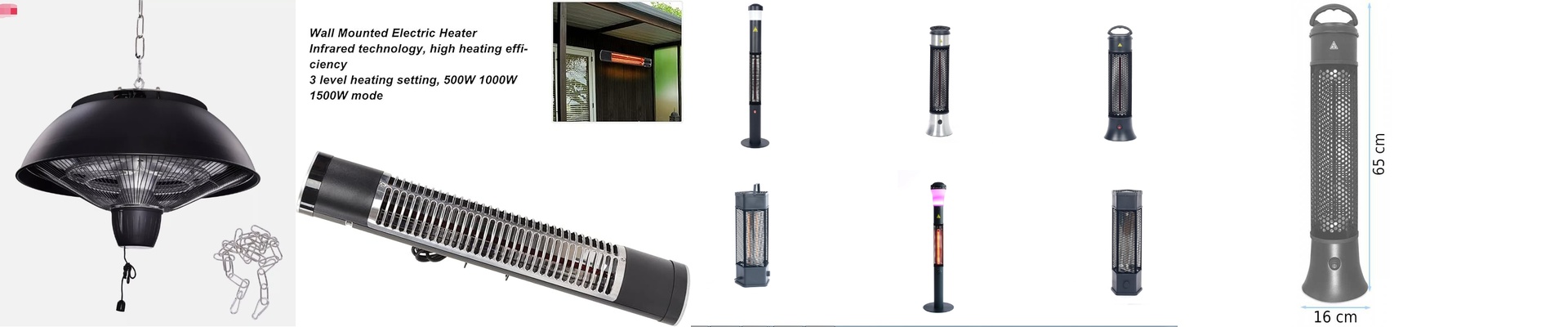
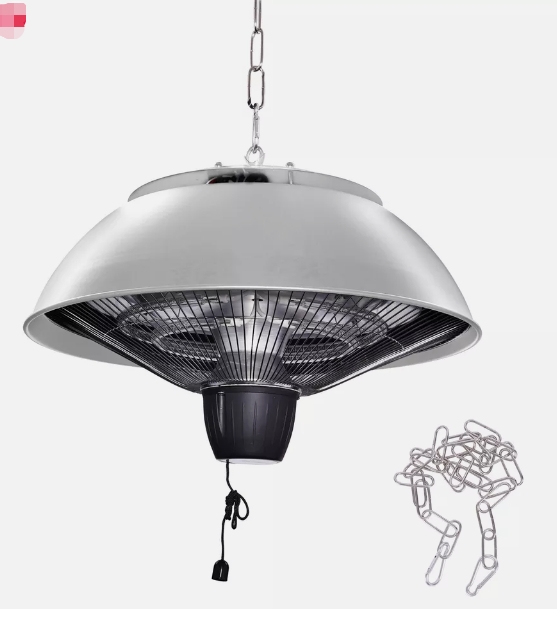
Commercial property owners know all too well what happens when the evenings turn cold: outdoor spaces go from potential assets to empty liabilities. Forced-air systems churn through energy heating air that just drifts away, and you’re left footing the bill—along with a bigger carbon footprint. So the real question is practical: how do you keep guests comfortable and still hit sustainability targets?
What matters under the hood
Outdoor radiant heaters work the way the sun does—sending infrared warmth directly onto people, furniture, and surfaces, not the empty air. The heat starts the moment the element hits temperature, so there’s no long warm-up to wait around for. Most commercial outdoor radiant heaters run on carbon fiber elements or quartz tubes, and they pair cleanly with directional reflectors to focus heat where you need it. You’re typically running off standard electrical supplies, and with thermostats and timers you can match output to actual occupancy. And for the day-to-day realities, units are built with real-world safety in mind—think tip-over protection and weather-resistant housings.
Why this approach lands for commercial real estate
Here’s the shift that matters: because infrared warmth heats objects and people directly, you can keep comfort levels up even when the ambient air temperature is lower. That can translate into less overall energy use. That efficiency isn’t just a feel-good win—it supports ESG reporting and helps lower operating expenses, which improves the asset’s financial profile. The upshot is an outdoor amenity that’s actually usable, keeps tenants and guests comfortable, and extends the selling season without the constant energy drain.
The details that make it work
Outdoor radiant heaters perform best when you place them to cover the seating or standing zones you care about, while respecting clearances for safety and comfort. Proper electrical connections are a must, and depending on the model, you may need dedicated circuits. In wet conditions, positioning and the unit’s IP rating are what determine long-term reliability. Plan the layout early, and the install goes a lot smoother.