


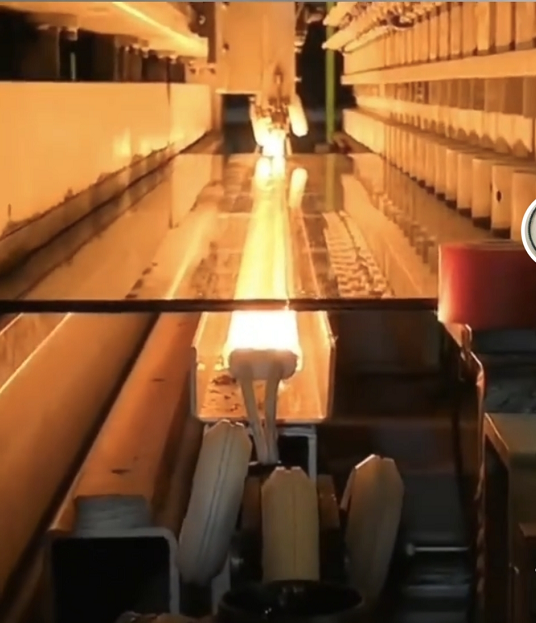
On the line, one hot spot in the furnace doesn’t just threaten a heating element—it can take the whole batch with it. Uneven heat piles up thermal stress, and you know how that ends: spontaneous breakage, edge waves, and optical distortion after tempering, bending, or during the coating cure. We put the heating element protection mesh in to stop that variability where it starts.
What actually matters, technically
The mesh sits between the radiant heating element and the glass load, acting as a thermal shield and distribution layer. In quartz and short-wave IR zones, it evens out local emissivity and knocks down hot-spot intensity without killing response speed. The payoff is a more uniform thermal field across the hearth and tighter temperature uniformity across the sheet. In practice, that means fewer rejects from thermal shock and less rework chasing optical distortion.
Why it holds up in a glass plant
This mesh is built for the floor. It keeps its shape at continuous operating temperatures, resists thermal fatigue, and holds a consistent spacing so heat distribution stays predictable. In tempering and bending furnaces, uniform heat lowers the risk of stress fractures during quench. On lamination and coating drying lines, it helps you hold stable cure profiles, so you can hit throughput without chasing temperature swings. The result is repeatable quality, stable yield, and fewer unplanned stops.
A few things you’ll want to get right
Installation is straightforward, but clearances have to match your element geometry and airflow. The mesh won’t make up for undersized elements or weak zone control—if the furnace has poor instrumentation or uneven convection, you’ll still see variation. Plan the retrofit around your existing heating modules, and double-check thermocouple placement to keep the control loop honest.