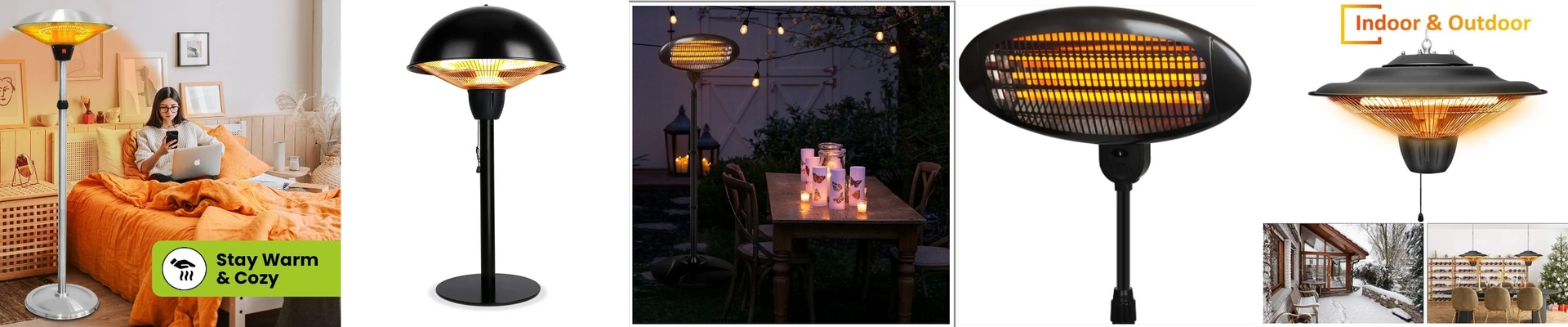

Step onto a balcony after the sun goes down and you feel it right away—the air bites. Bulb-style patio heaters throw heat straight out in front of them, but they leave the rest of the space cold and you feeling exposed. In a modern home, that’s not just uncomfortable. It’s a perfectly good outdoor area going unused.
What matters, technically
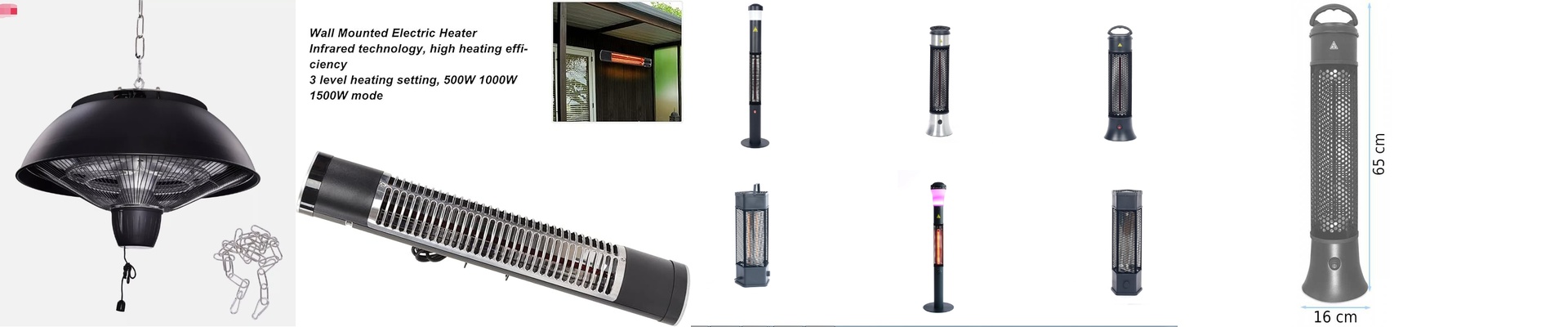
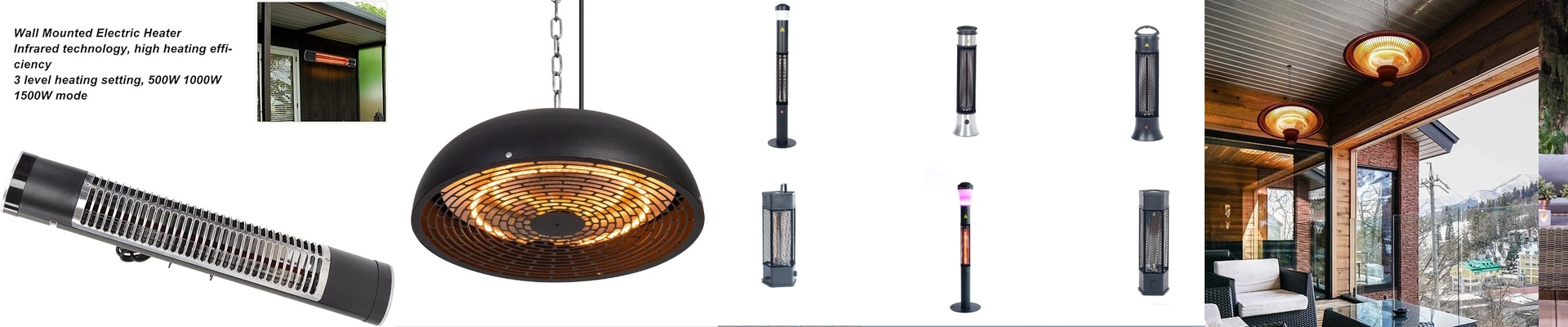
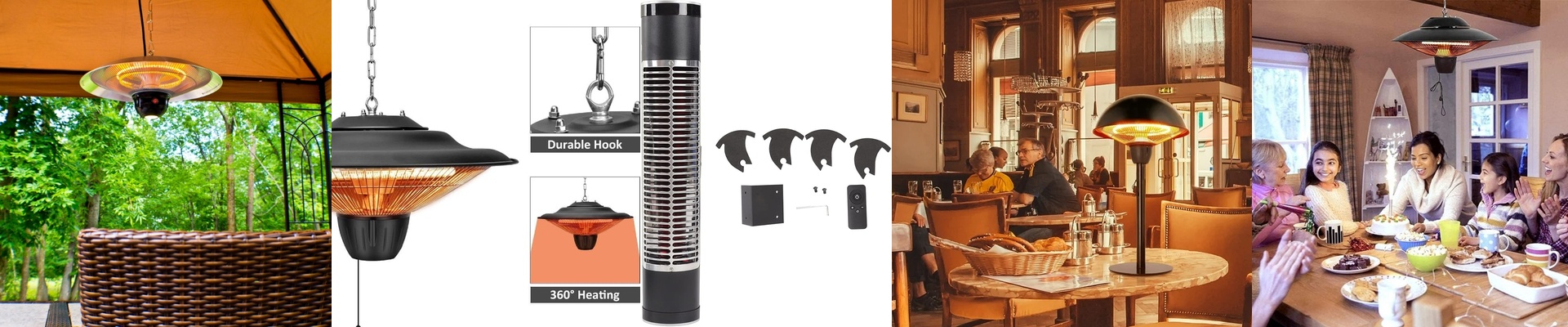
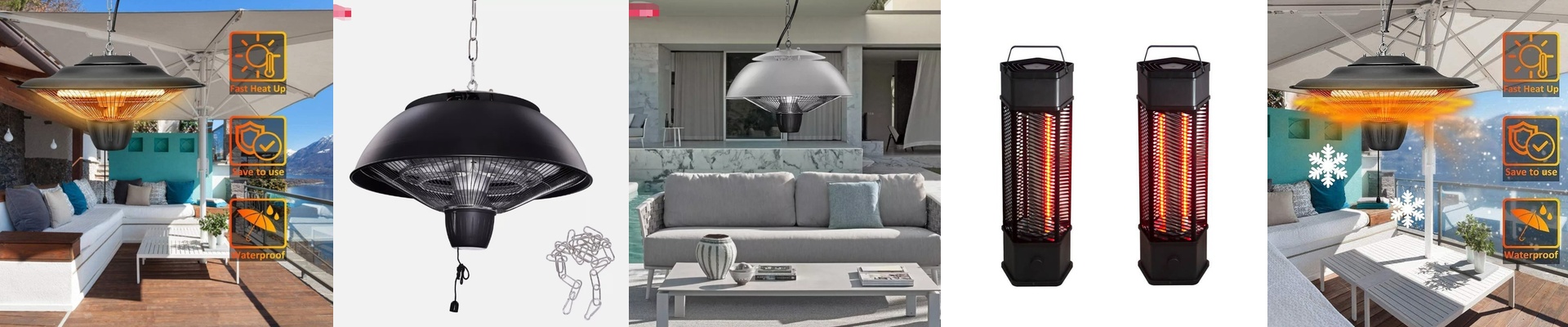
We build balcony heaters around infrared radiant warmth because it works like the sun: it warms people and surfaces first, not the empty air. Inside, you’re looking at a carbon fiber or quartz element that comes on fast, delivers directional heat, and keeps glare to a minimum. The payoff is steady warmth that doesn’t disappear the second a breeze rolls through. The real differentiator is the IP rating. For balconies and covered outdoor spots, we spec IP55 or higher. That means the core components are protected against water jets and the dust that always finds its way in. Pair that protection with the basics—tip-over protection, overheat cut-off, and a sealed heating chamber—and you get performance that holds up when the weather turns.
Why this approach fits balconies
Balconies are small, exposed, and often partially enclosed. Conventional convection heaters fight a losing battle because they heat air that immediately escapes through gaps. Infrared goes straight to what matters—your body, the chair, the table—so you feel cozy faster, with less wasted energy. In practice, you can sit down to an evening meal, read for a while, or talk with friends without waiting for the whole space to warm up. The heat is immediate, and it stays where you want it. For modern outdoor living, that kind of control is the difference between a balcony you actually use and one you only step onto to grab the mail.
What you need to know
Installation is straightforward on most electric models, but placement is the key detail. Mount the heater 1.8–2.2 meters high, keep at least 1 meter clear from combustible materials, and position it away from direct spray. Most units run on standard household voltage, but if you’re dealing with a high-wattage model, confirm your circuit capacity and consider a dedicated outlet. One practical point: radiant heat is most effective at short to medium range, so coverage is best in compact areas. If you have a larger balcony, run multiple units or pair infrared with other outdoor heating methods when you want broader ambient warmth.