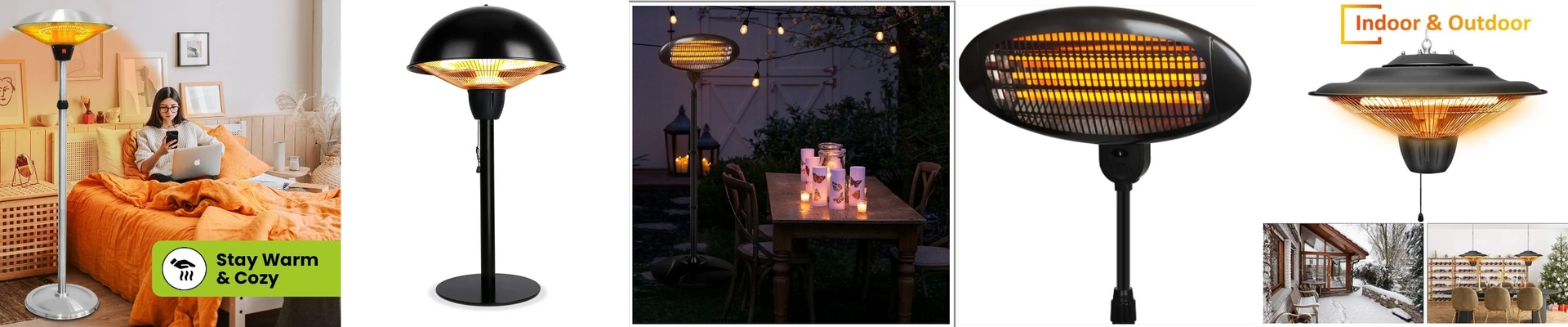
Stop Wasting Your Heat: Why the Reflector Matters
Buying a raw IR lamp is only half the battle. If you just plug in a tube and hope for the best, you’re fighting a losing game. To actually get that heat where it needs to go, you need a reflector that won’t warp or go dull the second things get hot. That’s why we don’t just sell you a bulb. We build integrated modules—basically, a turnkey heating assembly that takes you from a single tube to a focused beam of heat.
The simple physics of it
Here’s the thing: a standard lamp throws heat in every single direction. 360 degrees of energy. Without a reflector, you’re essentially spending half your electricity heating up your own machine frame. Not exactly a great use of your budget. We use high-purity aluminum because it’s great at moving heat and reflects infrared light like a mirror. By curving the housing, we bounce all that wasted energy right back onto your workpiece. **The curve is everything.**We shape the arc to match the geometry of your specific part. This concentrates the heat exactly where it’s needed, which means you can hit your target temperature using way less wattage.
Forget the shop-floor headache
Let’s be honest: spending hours wiring up individual lamps, fussing with mounting brackets, and trying to align reflectors by eye is a total time sink. It’s tedious. Plus, it usually leads to uneven gaps and “cold spots” in your heating zones. We figured there was a better way. We deliver the lamp and reflector as one pre-assembled unit. It’s a drop-in replacement. We handle the aluminum bending and the tricky part of securing those fragile quartz tubes. You just slide it in. No manual alignment errors, no guesswork, and a lot less time spent swearing at a mounting bracket.
A few things to keep in mind
Now, these high-density modules pack a punch, and that puts some pressure on your electrical setup. Since the aluminum housing is doing its job, it’s going to get hot.Really hot. Make sure your enclosure has plenty of breathing room or some active cooling. You don’t want your surrounding electronics frying because the air is stagnant. Also, if you push the wattage too hard in a tiny space, the metal can expand, which might shift your focal point. We calculate those tolerances during the design phase so your heat pattern stays steady, but it’s always worth double-checking your airflow.