

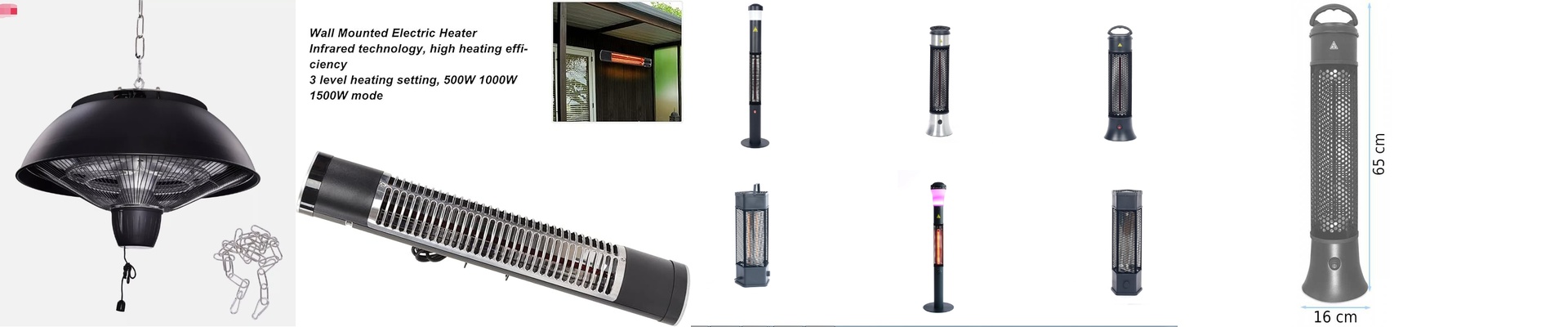
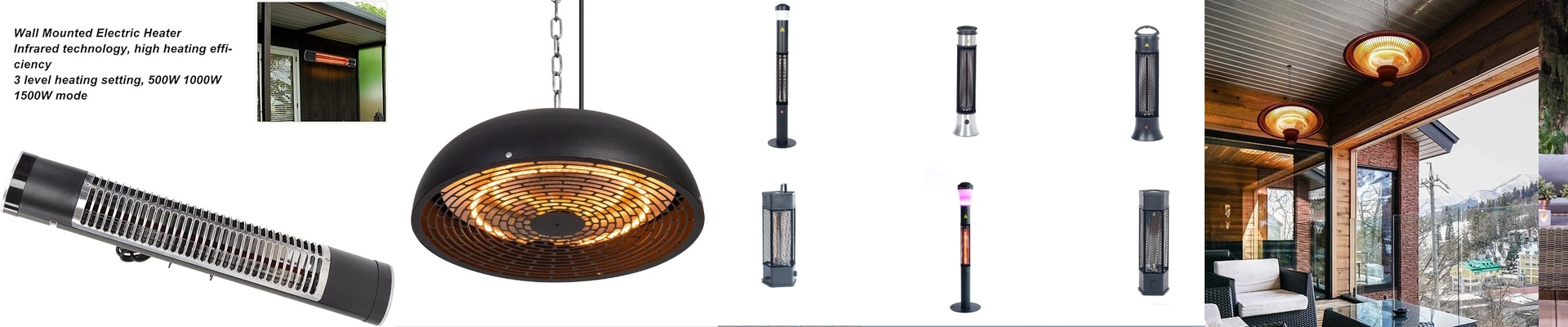
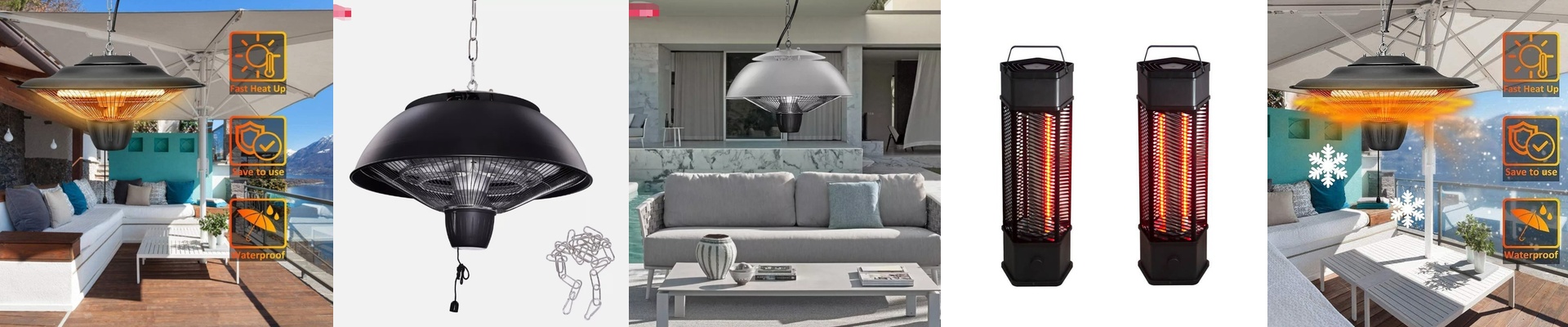

The garage workshop is alive—sawdust hangs in the air, solvents live on the bench, and tools never really stop humming. When the temperature drops, your focus goes with it. Hands stiffen, tools get slick, and the day just drags. A heater that folds here isn’t just a hassle; it turns into a safety problem.
What we built it around
We set this garage workshop heater on short-wave infrared, paired with explosion-proof quartz tubes. The quartz envelope takes rapid thermal cycling in stride and shrugs off thermal shock, while the internal filament delivers instant, directional radiant heat—warming people and workpieces directly, not the air. In practice, you feel heat in seconds, not minutes. The tubes are rated to contain internal arcs safely, so even when dust and vapors are in the mix, the heat source stays contained. Add a solid steel reflector and a mounting bracket that stays put, and the output stays where you aim it.
Why it makes sense in a shop
In a garage or workshop, heat has to keep pace with the work. This unit throws targeted infrared warmth right onto the task—so you can keep sanding, prepping for welding, or finishing without waiting for the whole room to “catch up.” Because it heats by radiation instead of convection, you don’t get drafty air cycling dust around and making everything feel stale. The upshot is fewer temperature swings, more steady comfort, and less downtime. And with the explosion-proof quartz design, you get a layer of confidence in spaces where flammable vapors and fine particulates are part of the day.
The practical details
Installation is straightforward—hard-wire it, or plug it into a properly rated outlet. Then aim the reflector at the zone you use most. Keep clearances clear of combustibles, and don’t point the heater straight at solvents or fuel storage. Radiant heat hits immediately, so positioning matters. Mount it overhead or at a safe angle, and use the included bracket to lock the direction in place. One real-world note: the quartz tubes run hot, so the heater performs best in open or well-ventilated areas where heat buildup isn’t likely to become an issue.